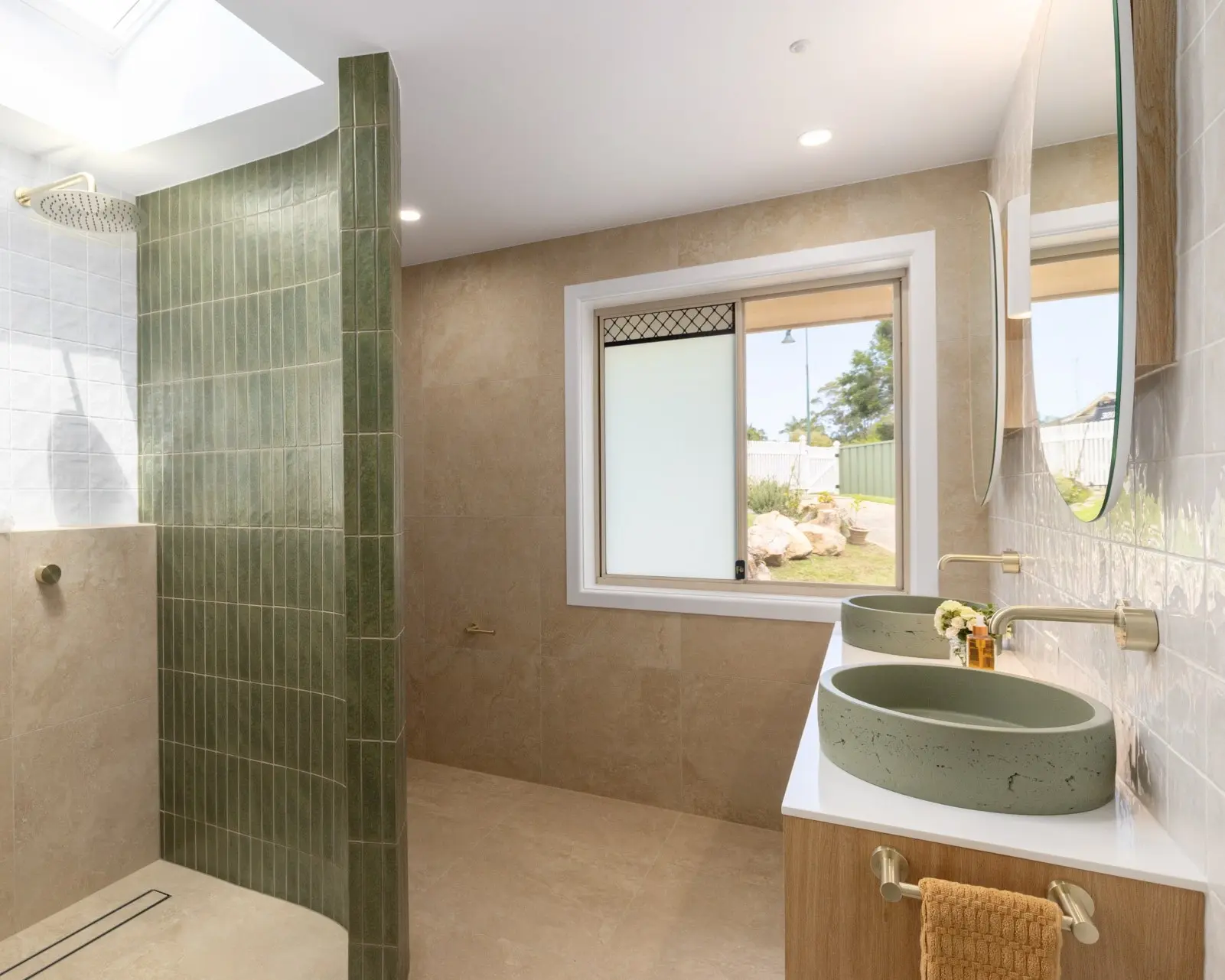
Ensuite bathroom ideas: the complete Australian guide to design, costs & layout
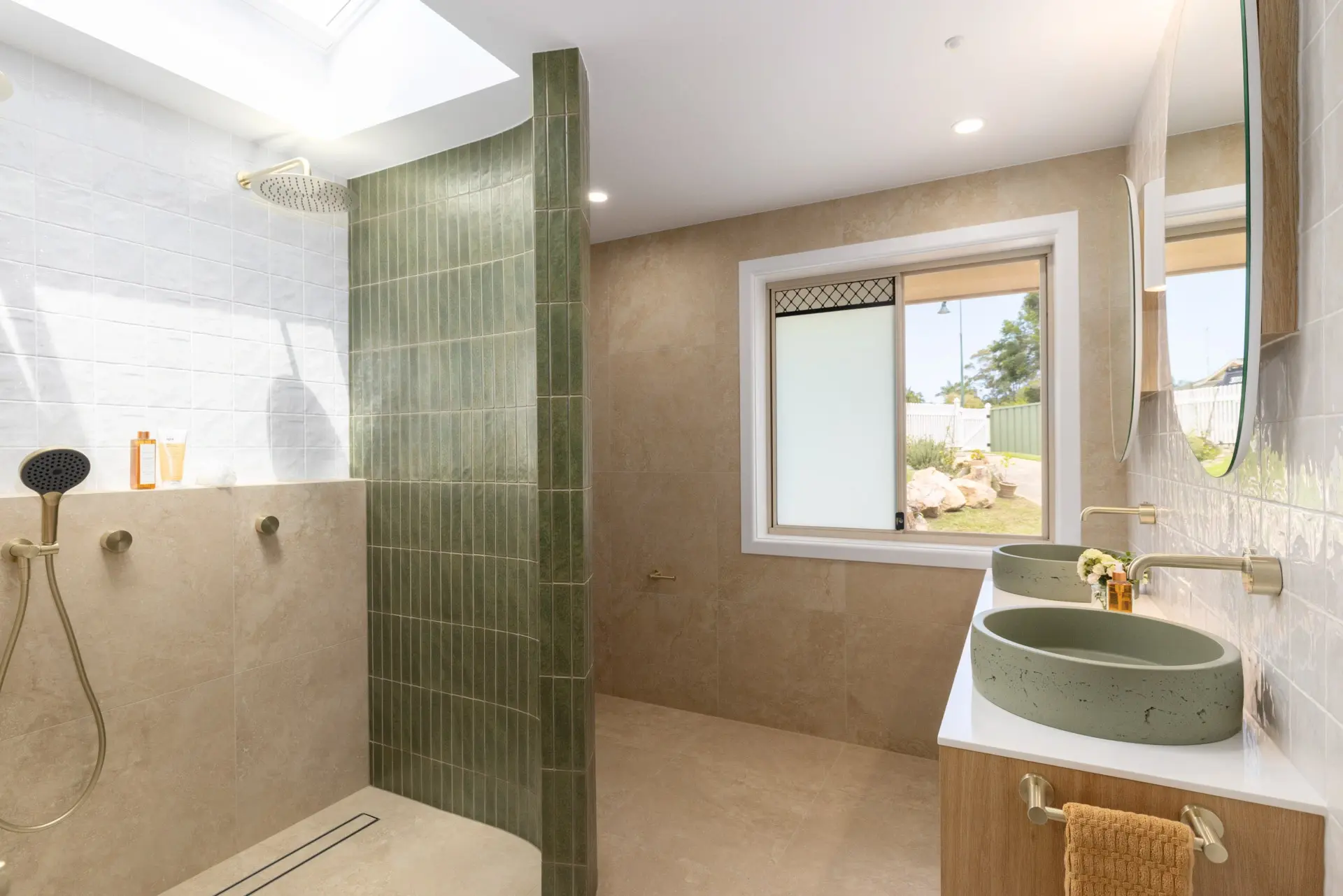
An ensuite is more than a convenient extra bathroom. In many Australian homes, it’s the space you see first thing in the morning and last thing at night – a private retreat that quietly sets the tone for your day. Whether you’re working with a compact inner-city nook or a generous master suite, good design can make an ensuite feel calm, functional and surprisingly luxurious.
This guide walks through real-world costs, layout ideas for small spaces, popular ensuite styles and the details that keep everything compliant and comfortable for the long term. Along the way, you’ll see how tapware and accessories – including Nero’s collections – act as the finishing layer that ties tiles, timber and colour together into a coherent story.
Our aim is simple: help you create an ensuite that feels calm and luxurious now, and still performs beautifully 10+ years from today—while you confirm the right compliance pathway for your state and project.
Why you can trust this ensuite bathroom ideas guide
- Written for Australian homes: Framed around Australian building practice, including the National Construction Code (NCC) wet-area provisions and commonly used waterproofing guidance such as AS 3740 for domestic waterproofing. Requirements and certification pathways can vary by state, building type and scope—so confirm your project’s pathway with your certifier or council before work starts.
- Grounded in typical compliance expectations: Where we discuss waterproofing, drainage and electrical work, we reference common Australian standards (e.g. Australian Building Codes Board) and regulator guidance (e.g. NSW Fair Trading)—then encourage you to verify your exact obligations with your state regulator, certifier and licensed trades.
- Water and energy aware: Recommendations for taps and showers reference the Australian Government’s WELS (Water Efficiency Labelling and Standards) scheme, helping you choose fixtures that balance performance, efficiency and compliance.
- Practical and site-ready: Design ideas are based on what works on real projects, with reminders to double-check specifics with your local council, certifier and licensed trades, because requirements and site conditions can vary across Australia
Ensuite bathroom ideas at a glance
- Small ensuites can still feel luxurious. Thoughtful planning – cavity sliders, wall-hung vanities, walk-in showers and mirrored storage – can make even a narrow footprint feel generous. Keep materials light and continuous to blur boundaries and visually expand the room.
- Style and function should work together. From minimalist retreats to Hamptons-inspired suites, your tiles, colours and tapware should reflect how you live as well as how you want the space to feel. Natural materials, warm lighting and a single “hero” feature, like a freestanding bath or oversized mirror, can turn everyday routines into a spa-like ritual.
- Budgets vary widely in Australia. Most ensuite renovations fall somewhere between $15,000 and $40,000 AUD, depending on size, materials, labour and whether you move plumbing or walls. Budget projects usually start around $10,000–$15,000, mid-range upgrades sit between $20,000–$30,000, and high-end builds can exceed $40,000+.
- Think long-term (and confirm compliance early). Waterproofing, ventilation and electrical work must meet Australian standards such as AS 3740 for wet areas and AS/NZS 3000 for electrical work. Choosing durable, water-efficient tapware – for example Nero’s WELS-rated mixers and showers, and a 25-year warranty on eligible ranges, with product/parts coverage across finishes—so the room stays consistent over the long run. (Always check the specific product page for eligibility and warranty terms.)
How much does an ensuite bathroom cost in Australia?
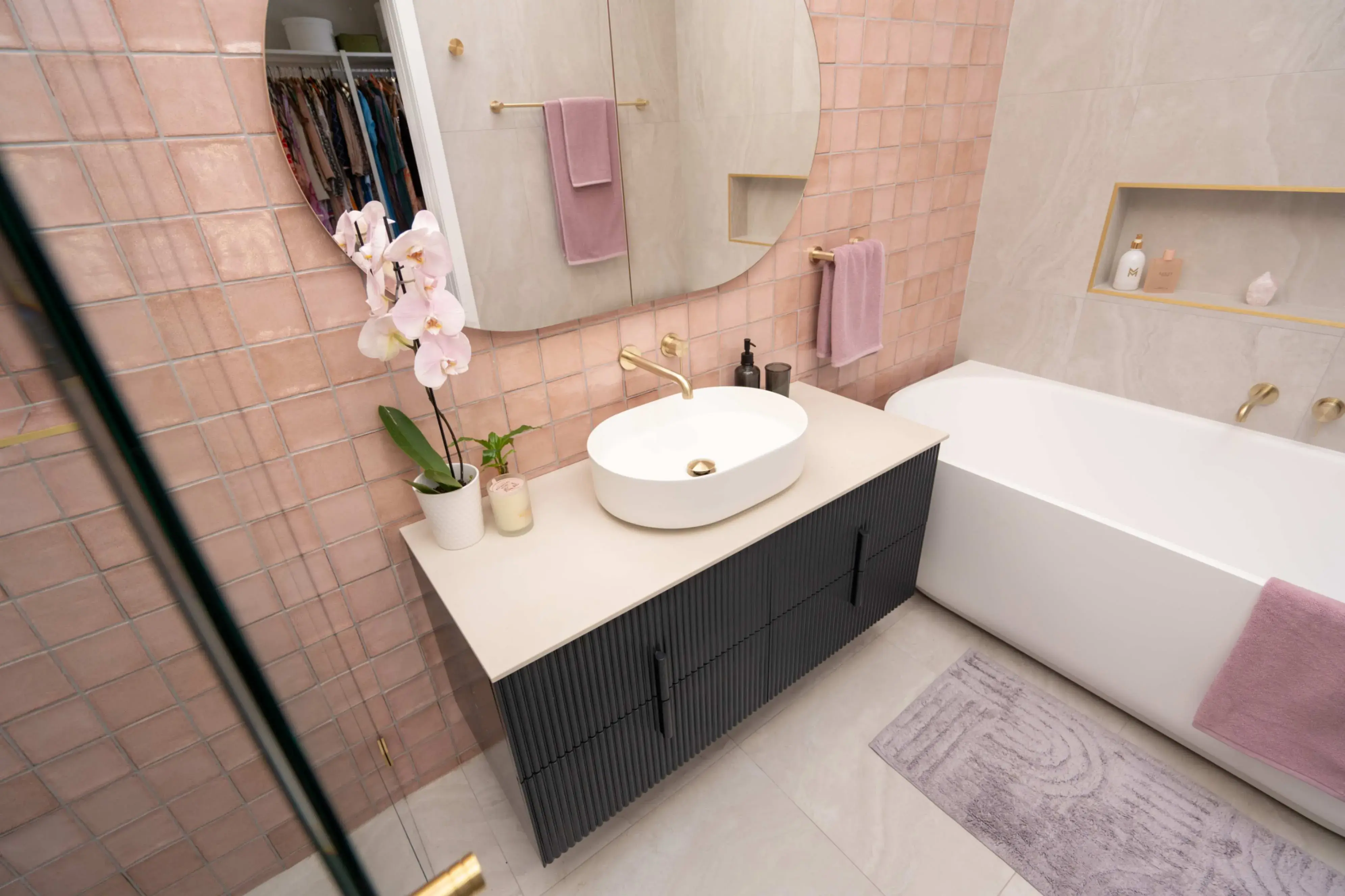
The cost of an ensuite renovation in Australia depends on the size of the space, how far you’re changing the layout and the level of finish you’re aiming for.
Based on typical builder estimates and industry data:
- Most ensuite projects: $15,000 and $40,000 AUD.
- Cosmetic updates (same layout): $10,000–$15,000.
- Mid-range refurbishments (new tiling, quality fittings and some layout tweaks): $20,000–$30,000
- High-end or luxury builds (imported stone, custom joinery and smart technology): can exceed $40,000+.
To make those ranges easier to work with, it’s helpful to group them into broad budget tiers and see what each level typically includes in a real ensuite.
What do different ensuite bathroom budget tiers actually include?
All figures below are in AUD and assume licensed trades, compliant waterproofing and electrical work, and standard access to the home.
Budget tier | Cost band (AUD) | Best for | Typical inclusions |
Budget | $10,000–$15,000 | Cosmetic facelifts, investment properties, DIY projects | Retain existing layout; swap dated tapware and shower heads for modern mixers and rail showers; repaint or re-tile key wet areas; replace vanity, basin and mirror; basic lighting upgrade. |
Mid‑range | $20,000–$30,000 | Most owner‑occupied homes | Option to reconfigure layout; walk-in shower with frameless or semi-frameless screen; wall-hung vanity with quality drawers; upgraded tiling and waterproofing; improved lighting and exhaust fan; durable finishes such as brushed nickel, gun metal or matte black; underfloor heating in priority zones. |
High‑end | $40,000+ | Luxury homes, architect‑designed suites | Structural changes and custom joinery; freestanding bath (where space allows); double showers and twin basins; natural stone or terrazzo; integrated smart mirrors and layered lighting; premium tapware from collections such as Nero’s Mecca, Opal or Serenity in long-wearing PVD finishes. |
Once you’ve found the tier that best matches your project, it helps to see where the money usually goes inside a typical ensuite renovation. Use the indicative breakdown below as a guide when you’re comparing quotes or setting allowances with your builder or bathroom specialist.
Also Read: Bathroom Renovation Cost Australia Guide – Average Prices & Smart Budgeting Tips
How a typical ensuite renovation budget breaks down (Indicative)
Item | Typical share of budget | Interpretation |
Cabinetry & vanity | 20–25 % | Custom vanities, mirrored cabinets and extra joinery can be a significant cost. Wall-hung units often cost more than basic floor-standing options but add storage and a more contemporary look. |
Tiling & waterproofing | 25–30 % | Includes tiles, adhesives, waterproof membranes and labour. High-end stone, mosaics or intricate patterns increase costs; quality porcelain tiles are durable and generally more cost-effective. |
Plumbing fixtures | 20 % | Tapware, shower systems, toilets and basins. Choosing WELS-rated mixers and showers reduces water use and can lower future bills. Premium finishes and in-wall systems sit at the higher end of this range. |
Electrical & lighting | 5–10 % | Covers wiring, power points, lighting fixtures, heated towel rails and underfloor heating. Smart mirrors and automation add to this category but can often be scaled up or down to suit your budget. |
Labour & trades | 15–20 % | Includes builder’s margin and trade labour for plumbing, electrical, tiling, waterproofing and carpentry. Complex layouts, tricky access or extensive rectification work will push this higher. |
Contingency & approvals | 5–10 % | Allows for unexpected issues, design tweaks and any council or certification fees. A healthy contingency is essential, especially in older homes. |
If you see tiling and waterproofing taking a third or more of your budget, you’re likely choosing premium tiles or complex layouts – which can be worthwhile, but you may need to simplify elsewhere to stay on budget. The expert tip below shows how to use this breakdown to sanity-check your ensuite quotes.
Real-world ensuite scenarios: What these budgets look like
Numbers are helpful, but it’s often easier to plan when you can picture a real space. Here are three common ensuite bathroom ideas at different budget levels, showing how far your money typically goes in an Australian home.
Real-World Ensuite Scenario 1: Compact city ensuite, budget tier ($12,000–$15,000)
Keep the toilet and plumbing where they are, remove a hobbed shower and install a simple walk-in with a clear screen, add a new wall-hung vanity and mirrored cabinet, re-tile the shower and floor, and update to water-efficient Nero mixers and a rail shower.
Real-World Ensuite Scenario 2: Suburban family ensuite, mid-range ($22,000–$28,000)
Rework the layout to gain a larger walk-in shower, upgrade to large-format floor-to-ceiling tiles, install a floating double vanity with stone top, add underfloor heating and LED strip lighting, and complete the look with brushed nickel tapware and accessories.
Real-World Ensuite Scenario 3: Master suite retreat, high-end ($45,000+)
Enlarge the ensuite footprint, add a freestanding bath, double shower and custom wall-to-wall vanity, choose natural stone and feature tiles, integrate smart lighting and mirror demisters, and specify a full suite of premium Nero tapware and accessories in a statement finish like Brushed Gold or Brushed Bronze.
Also Read: 27 Stunning Bathroom Tile Ideas to Transform Your Space in 2025
4 Main ensuite bathroom cost drivers
Behind every ensuite quote is a simple equation: space, specification and complexity. Once you understand what actually drives cost, it becomes much easier to prioritise where to spend and where to save. Keep these four main drivers in mind as you refine your plans and compare builder quotes.
1. Size and layout
- Larger ensuites and complex layouts require more materials and labour.
- Moving plumbing, adjusting walls or adding windows increases costs and may trigger structural engineering or council approvals.
2. Materials and finishes
- Natural stone, handmade tiles and custom cabinetry cost more than porcelain tiles and standard vanities.
- Running the same tile from floor to ceiling can visually expand a small ensuite but increases tile quantities and labour.
3. Labour and access
- Upper-floor bathrooms, tight staircases or difficult site access can extend labour time.
- Using licensed waterproofers and electricians who work to AS 3740 and AS/NZS 3000 adds upfront cost, but significantly reduces the risk of leaks and electrical faults.
4. Features and technology
- Freestanding baths, double showers, underfloor heating, smart mirrors, in-wall cisterns and automated lighting all add to the budget.
- Used selectively, they can also elevate how the ensuite feels day to day.
Before committing, obtain at least three detailed quotes from licensed builders or bathroom specialists and check exactly what is included. Always allow a contingency of 10–15% for unexpected issues, especially in older homes where hidden water damage, rotten framing or asbestos may be uncovered once demolition starts.
Expert tip: Sanity-check your ensuite quotes
When you’re comparing ensuite quotes, look beyond the lump-sum number. Ask each builder or bathroom specialist to break out key items such as waterproofing, tiling, plumbing fixtures, electrical work and cabinetry.
In many Australian bathroom renovations, waterproofing and tiling can account for roughly a quarter to a third of the budget, because wet-area detailing typically needs to follow an NCC-aligned pathway and a suitable waterproofing specification (often referencing AS 3740). It’s rarely the place to cut corners—ask how it will be documented and who is responsible for sign-off on your project.
It’s also worth asking which standards and products your builder uses. A good operator will be comfortable talking about the NCC wet-area provisions, AS 3740-compliant systems and the qualifications of their waterproofing contractor.
Depending on your state, the scope of works and the contract value, licensing or specific registration requirements may apply to residential waterproofing. Before you start, check current requirements with your state regulator and confirm who is licensed/qualified to apply the membrane—then keep copies of licences and any compliance documentation for your records.
Thinking about resale?
If you’re renovating with future resale in mind, focus your ensuite budget on the elements that are hardest to change later: layout, waterproofing, ventilation and good-quality fixtures.
Buyers and valuers tend to respond well to clean, well-lit bathrooms with practical storage, neutral tiles and cohesive tapware, rather than very personalised colour schemes. Bold choices can still work, but keeping major surfaces timeless and expressing personality through paint, towels and accessories makes it easier to appeal to a wider market when it’s time to sell.
Also Read: Feng shui bedroom guide: bed placement, colours & ensuite tips for better sleep
What makes a great small ensuite? 11 design essentials
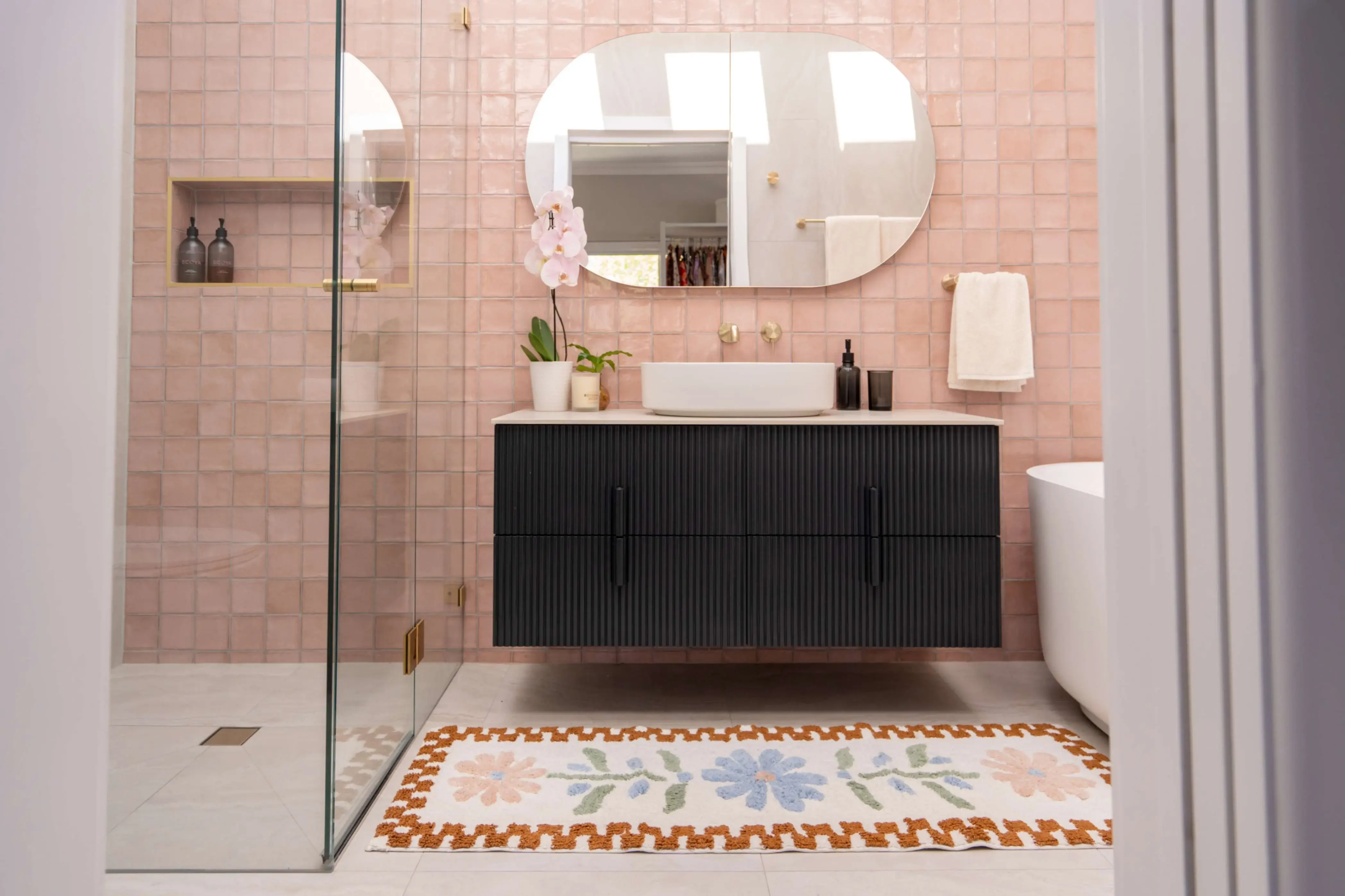
Designing a compact ensuite is about prioritising flow, storage and light.
In a typical Australian home, that might mean turning a compact space — sometimes as small as 1.2 × 2.4 m — into a highly efficient zone that still feels calm rather than cramped.
The goal is to keep clear sightlines, avoid awkward door swings and make every surface work a little bit harder.
4 Clever layouts for narrow spaces
In a small ensuite, every millimetre counts. These layout ideas focus on clear circulation, smart door choices and fixtures that make a narrow footprint feel wider and easier to move through.
- Walk‑in shower with linear drain. A frameless or semi-frameless walk-in shower creates openness and removes the visual bulk of a hob. As a guide, aim for at least 900 × 900 mm for comfort. In very tight spaces you might see showers slightly narrower than this, but anything under 900 mm will feel compact and should be carefully planned to avoid splash and usability issues.
- Wall‑hung vanity and back‑to‑wall toilet. Lifting the vanity and toilet off the floor reveals more of the flooring, which instantly makes the room feel larger. Wall-hung units also create easier access for cleaning and can hide practical storage in deep drawers. A back-to-wall pan with a concealed cistern minimises visual clutter. If storage is your pain point, prioritise the vanity first—drawer depth and mirrored storage will make the biggest day-to-day difference.
- Cavity sliding door. Swapping a swing door for a cavity slider or external barn door frees up critical circulation space inside the ensuite. This can be the change that makes it possible to fit in a slightly larger shower or a more generous vanity.
- Mirrored storage. A mirrored shaving cabinet above the basin combines reflection and storage in one element. Mirrors bounce light around, hide everyday clutter and help a narrow space feel wider.
Compliance & durability check for small ensuites
In very compact ensuites it can be tempting to push clearances or skip details like a floor waste outside the shower, but this is where leaks and failures often show up. The NCC wet-area provisions and AS 3740 set out how far waterproofing must extend up walls and around showers, baths and penetrations. State building authorities regularly report water ingress as a major cause of insurance claims and disputes.
Before you lock in a small-space layout, ask your designer or builder to confirm that falls to the floor waste, substrate selection and membrane detailing align with the current requirements for your state and project. (e.g. NCC and AS 3740 requirements for Australia)
For older homes, this may mean upgrading from particleboard substrates to more suitable wet-area flooring and reviewing ventilation to reduce the risk of mould. A little extra design effort here is far cheaper than repairing a failed membrane once the tiles are down.
Also Read: 70+ Small Bathroom Ideas for Luxe Australian Homes (Space-Savvy & Stylish)
4 Light, colour and material ideas for small ensuites
Bathroom lighting, colour and material choices can make a tiny ensuite feel either boxy or beautifully open. Use these ideas to brighten the space, soften hard surfaces and create a palette that feels calm rather than cramped.
- Keep the base palette light: Small spaces benefit from light, tonally consistent surfaces. Soft whites, warm beiges and pale greys on walls and major tiles help bounce available light and create the illusion of extra height and width.
- Add contrast through fixtures: If everything is pale, the room can feel flat. Introduce depth through tapware and accessories. Matte black, brushed nickel or antique brass mixers and rails add a graphic edge against neutral tiles without feeling heavy.
- Use continuous surfaces: Running the same tile from floor to wall, or wrapping one feature wall in the same material, blurs visual boundaries and makes the room feel less boxy. Large-format tiles reduce grout lines and contribute to a calm, seamless look.
- Layer the lighting: Combine ceiling downlights with soft, flattering wall lights and, where possible, integrated mirror or under-vanity strip lighting. Try to avoid a single bright downlight directly over the basin, which can create unflattering shadows.
3 Small ensuite storage & organisation ideas
Good storage is non-negotiable in a small ensuite, but it doesn’t have to feel bulky. These ideas focus on building storage into walls and vertical space so your floor area stays as open as possible.
- Open shelving and niches: Recessed shower niches keep shampoos and soaps off ledges and out of sightlines. A combination of open shelves for display and closed drawers for bulk storage stops small ensuites feeling cluttered.
- Think vertical: Use vertical wall space with tall mirrored cabinets, robe hooks and towel ladders. Hanging plants or art hung slightly higher than usual draw the eye up and make low ceilings feel taller.
- Smart furniture choices: Wall-mounted or corner basins can free up precious centimetres in a tight plan. In a combined laundry-ensuite, stacking a washer and dryer and using a compact trough with a gooseneck sink mixer can create a surprisingly functional zone in as little as 3 m².
Nero Design Tip
In a small ensuite, cohesion matters more than quantity. Choose one metal finish and repeat it across your tapware, shower, towel rails and accessories.
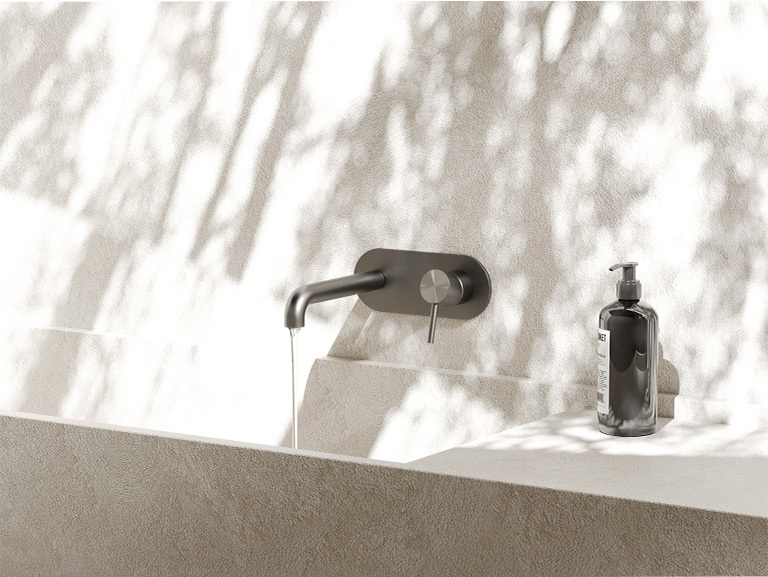
For example, pair Brushed Nickel taps from Nero’s Bianca collection with light timber cabinetry for a calm, Scandinavian feel, or use Matte Black mixers from the Zen range against white or pale grey tiles for crisp contrast. A matching wall-mounted shower system and a simple line of robe hooks keeps the look streamlined and intentional.
Also Read: Bathroom bathtub design: how to choose the right bath, layout, tiles & tapware
7 Design themes: Which ensuite bathroom ideas suit your home’s style?
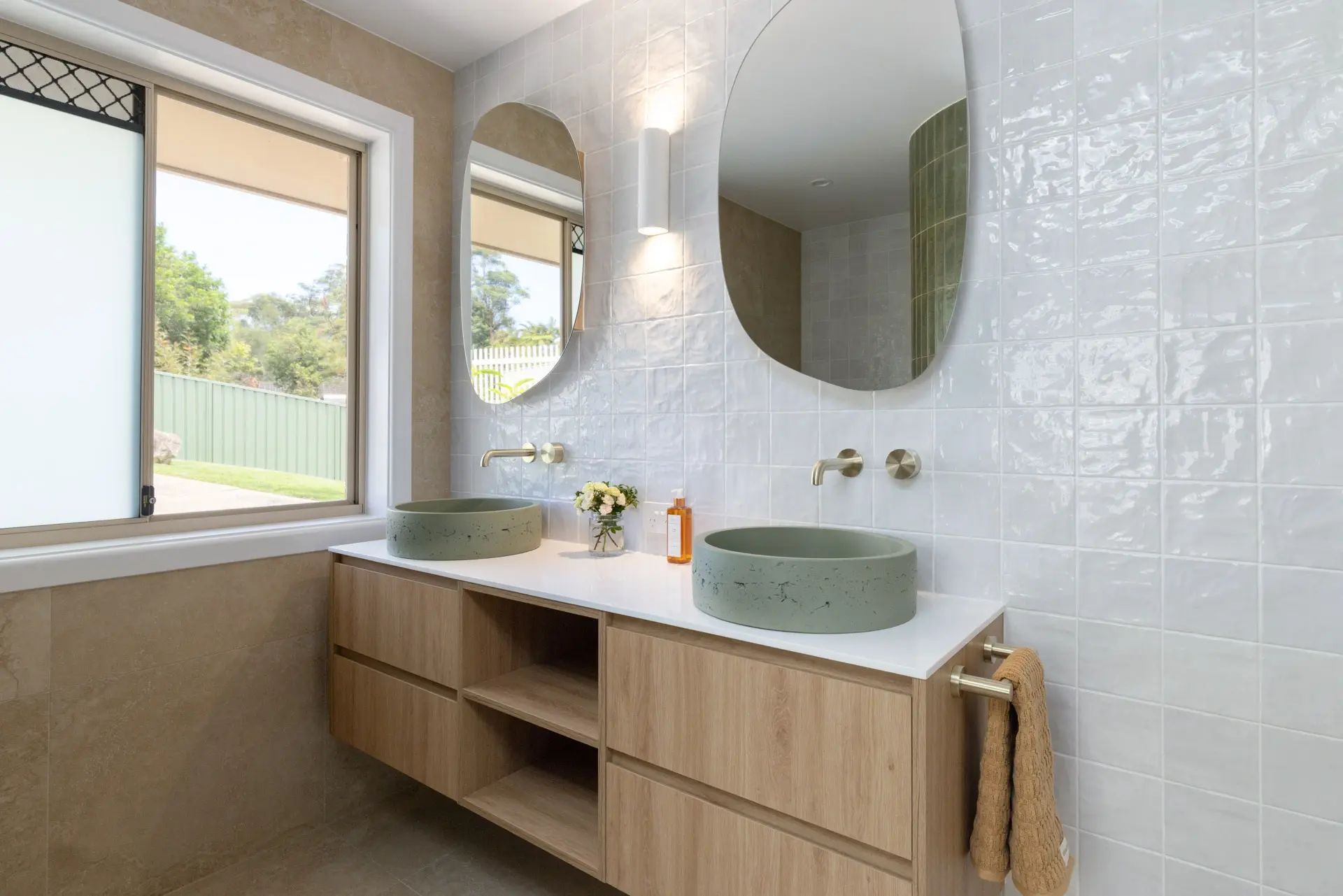
Your ensuite should feel like a natural extension of your bedroom and the wider home, not a generic “display bathroom”. Drawing on a clear style direction helps you narrow down tiles, benchtops, colours and tapware finishes so every choice works together.
1. Minimalist retreat – best for modern apartments and clutter-free ensuite bathroom ideas
A minimalist bathroom look is all about quiet simplicity.
- Think neutral tones – soft whites, warm greys and natural timber – clean lines and minimal ornamentation.
- Frameless showers, floating cabinetry and handle-less drawers emphasise the uncluttered aesthetic.
- Choose a low-sheen finish like brushed nickel or gun metal, then repeat it across the basin mixer, shower and accessories. In minimalist rooms, consistency reads more luxurious than statement pieces.
2. Coastal Hamptons – best for light-filled family homes and master ensuites
Inspired by breezy coastal living, Hamptons-style ensuites pair light tiles with navy, soft blue or sandy accents.
- Shaker-style vanities, stone benchtops and wall panelling create a sense of relaxed elegance.
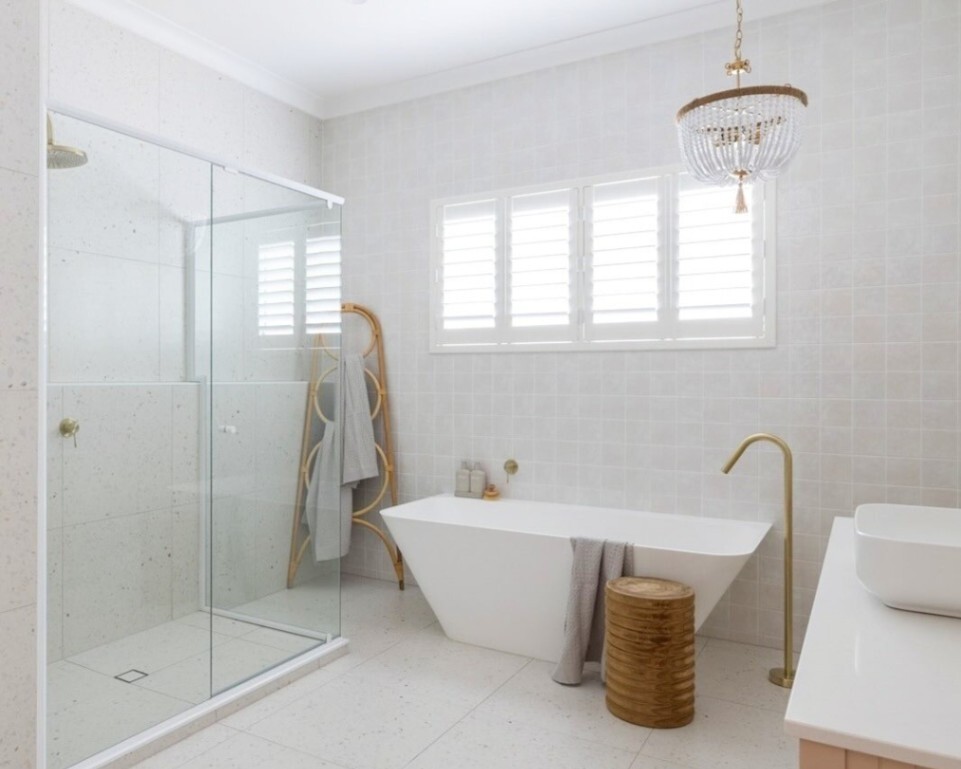
- For Hamptons warmth, choose a softer metal finish like brushed gold or brushed bronze and keep it consistent across the room. A rainfall shower + matching accessories gives a more ‘hotel suite’ feel without adding visual clutter.
3. Farmhouse charm – best for character homes and busy family ensuites
Farmhouse ensuites embrace character and warmth.
- Expect pastel or earthy colours, rustic timber, stone surfaces and a mix of aged metalware.
- Patterned floor tiles, v-groove or shiplap panelling and vintage-inspired wall lights can all work here.
- A warmer finish (like antique brass) pairs naturally with timber and heritage details. Keep the metal finish consistent across tapware, shower and hooks so the room feels curated—not busy.
4. Mid-century modern – best for 1950s–1970s homes and design-led renovations
Mid-century-style ensuites use simple forms, warm timber, crisp white basins and hits of colour, such as olive green, mustard or terracotta.
- Keep vanities low and streamlined, and let your tiles or towels carry the colour.
- Use one warm metal finish—Brushed Bronze or Brushed Gold—as the single accent and repeat it across the basin mixer and shower. Mid-century rooms look best when the palette is controlled and intentional.
5. Mediterranean getaway – best for sun-drenched homes and relaxed coastal living
Mediterranean-inspired ensuites feel warm, textural and inviting.
- Terracotta or soft neutral tiles, gentle arches and patterned accents echo sun-drenched coastal homes.
- Natural stone and timber keep the look grounded.
- Introduce colour with towels, bath mats and artwork. Pair sun-washed tiles with a finish that supports the mood: brushed brass for warmth, or gun metal for a more contemporary edge.
6. Colourful and patterned – best for bold personalities and statement ensuites
If you love bold design, the ensuite can be a great place to experiment.
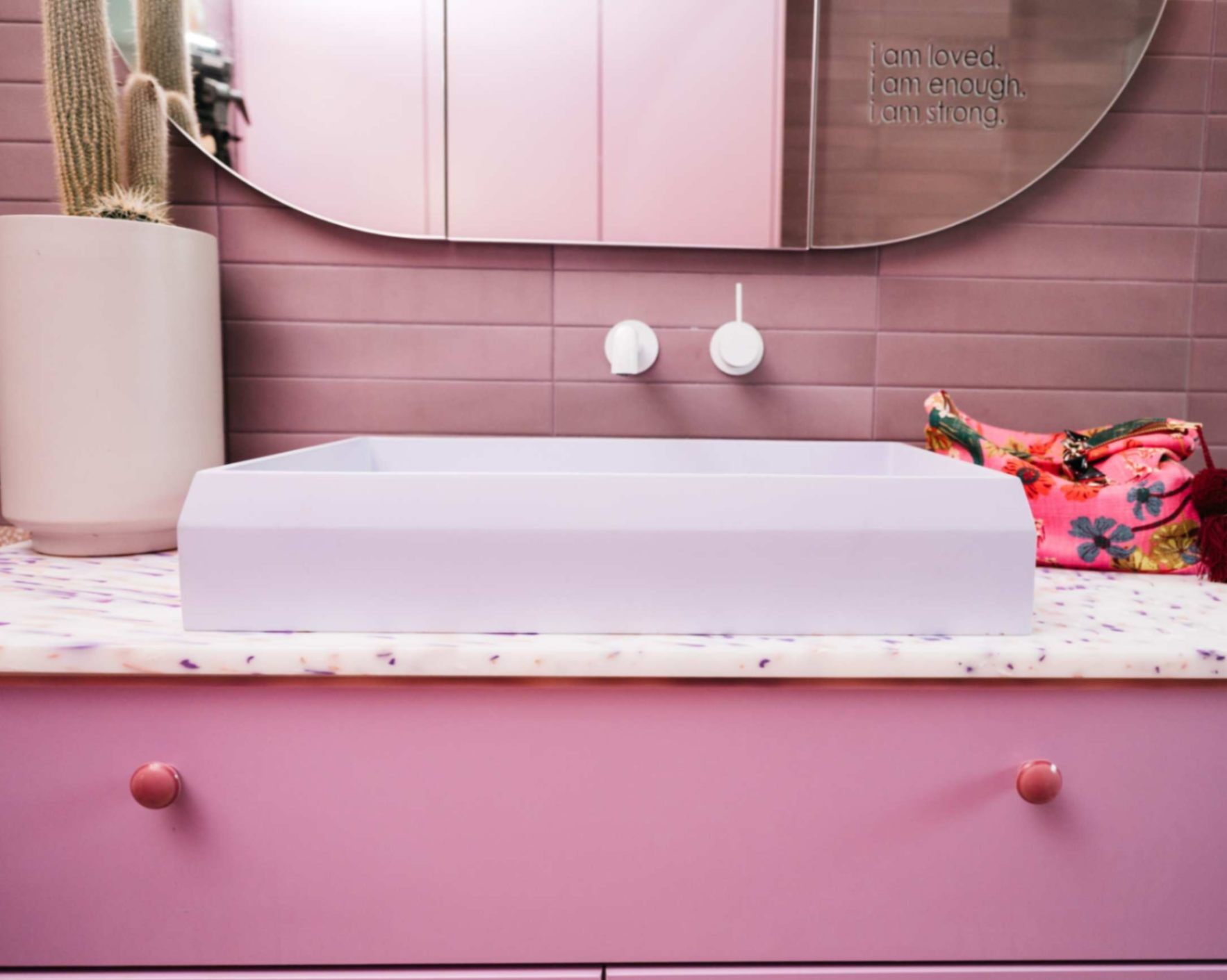
- Think statement feature walls in zellige-style tiles, herringbone marble mosaics or a painted vanity in deep eucalyptus or ink blue.
- When tile or colour is the hero, fixtures should act like a ‘quiet frame’. Choose one understated finish and repeat it across tapware, shower and accessories so the feature surface stays in charge. Nero’s advantage here is cohesion—matching pieces across the room makes bold surfaces feel designed, not chaotic.
7. Natural sanctuary – best for calm, spa-like retreats and nature-inspired homes
For a serene, spa-like ensuite, lean into natural materials and a restrained palette.
- Combine timber joinery, stone or stone-look benchtops and softly textured tiles.
- Japandi-inspired spaces blend Scandinavian simplicity with Japanese warmth: simple forms, honest materials and plenty of negative space.
- Use timber + stone as the base, then pick one finish to unify the room: Brushed Nickel for airy calm, brushed brass for warmth, or Gun Metal for depth. Repeat it across every fitting for a spa-like read.
A simple way to choose your Nero finish
- Pick one finish for the whole ensuite (basin + shower + accessories).
- Choose based on mood: Brushed Nickel (calm), Gun Metal (architectural), Brushed Gold or Brushed Bronze (warm).
- Lock the finish early so tiles, paint and lighting can be selected around it.
Also Read: 67 Art Deco Bathroom Design Ideas & Tips | Complete Guide
6 Luxury features to consider: What turns a master ensuite into a true luxury retreat?
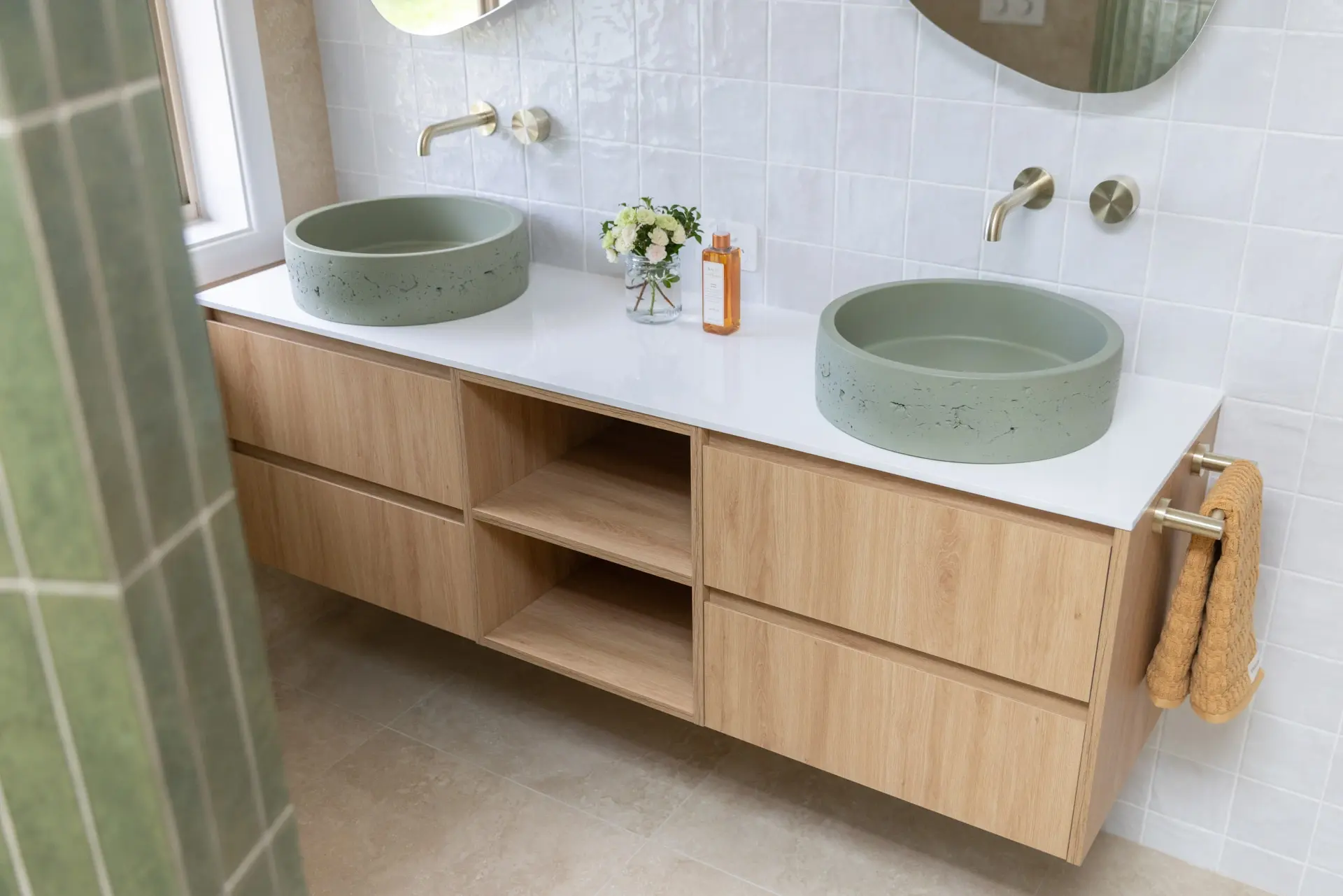
When space and budget allow, a few thoughtful upgrades can transform a standard ensuite into a private retreat. In a typical 3 × 3 m master ensuite, there’s often room to layer comfort, texture and technology without overwhelming the space.
1. Spa-inspired styling
Start with a calm, cohesive palette: soft whites, warm neutrals and gentle blues or greens. Add plush textures through towels, bathrobes and bath mats, and introduce natural elements like timber stools, woven baskets or a bamboo bath caddy. If you want more ideas, see our guide to adding texture to interiors.
A rainfall shower head paired with a hand shower, and matching accessories in a warm metal finish, instantly creates a spa-like atmosphere.
2. Continuity with large-format tiles
Oversized tiles on both floors and walls create a seamless, expansive look and minimise grout lines. Laying subway tiles in a vertical stack or herringbone pattern can add subtle interest without visual clutter. Use tone-on-tone grout for a more contemporary, continuous feel, or slightly contrast the grout if you want to highlight the pattern.
3. Natural materials and textures
Stone, timber and natural fibres bring depth and authenticity to a luxury ensuite. A timber vanity with a stone or stone-look top feels both tactile and durable. Linen curtains (where privacy allows), woven baskets and timber accessories soften the harder surfaces. Pair these with brushed or satin tapware – for example Nero’s Opal or Mecca in Brushed Nickel or Brushed Bronze – to keep the overall mood warm and grounded.
4. Freestanding bathtub
A freestanding bath becomes the hero of an open-concept ensuite and invites slow, restorative bathing. In smaller rooms, consider a compact slipper bath or a back-to-wall freestanding design that sits closer to the wall while still feeling sculptural. Complete the look with a floor-mounted bath filler or wall-mounted spout from Nero’s Bianca collection in a finish that ties back to your other fixtures.
5. Double showers and twin basins
For shared ensuites, double showers (often called couples showers) and twin basins can be game changers for morning routines. Dual shower heads provide personal control over temperature and pressure, while twin basins reduce congestion and create a balanced, hotel-style look. To keep everything cohesive, choose basins with similar shapes and repeat the same tapware collection and finish across all fixtures.
6. Declutter and organise
Luxury doesn’t work well with clutter. Floating shelves, wall-mounted cabinets and recessed niches keep surfaces clear and essentials close to hand. Underfloor heating adds comfort and helps dry tiles and towels more quickly, especially in cooler climates. If underfloor heating is outside your budget, a wall-mounted heater or an exhaust fan with an integrated heat lamp can offer a more affordable layer of warmth.
Also Read: Japandi Bathroom Perfection: The Ultimate Guide to Serene, Stylish Spaces
Step-by-step guide: how should you budget and plan your ensuite renovation?
Clear planning is the difference between a smooth ensuite upgrade and a stressful, over-budget project. Use this simple framework to turn ideas into a realistic plan.
Step 1. Define your scope. Decide if you’re doing a cosmetic refresh or a full renovation. List must-haves and nice-to-haves so you know what can drop out if costs rise.
Step 2. Set a realistic budget. Use the cost bands above as a guide, then divide your total across tiling, joinery, fixtures, lighting, labour and contingency. Ask your builder or bathroom specialist for an itemised breakdown.
Step 3. Consult professionals early. Have a designer, builder or bathroom specialist review your plans before you order anything. They’ll flag council approval needs, check falls and drainage, and ensure waterproofing and electrical work can comply with AS 3740 and AS/NZS 3000.
Step 4. Choose materials and fixtures. Lock in tiles, paint, vanity and tapware before work starts so trades can plan around lead times. Request samples and review them together at different times of day. Nero finish sample plates make it easy to see how Brushed Nickel, Gun Metal or Matte Black sit with your tiles and benchtop.
Step 5. Plan the timeline and trades. Schedule trades in order: demolition, plumbing and electrical rough-in, waterproofing, tiling, cabinetry, then final fit-off. Confirm lead times for custom joinery and stone so they don’t hold up your build.
Step 6. Include a contingency. Reserve 10–15% of your budget for surprises such as hidden water damage, out-of-square walls or old plumbing and wiring that needs upgrading.
A simple Nero rule for a cohesive ensuite
- Choose one finish, everywhere: basin + shower + accessories = calmer visual read
- Prioritise long-wearing, everyday-friendly finishes: less visible wear, easier cleaning routines
- Balance efficiency with experience: select WELS-rated products that still deliver comfortable flow/coverage
Compliance check: keeping your ensuite ideas on the right side of the rules
Beautiful ensuite bathroom ideas only work long-term if they sit comfortably within the rules. Use this quick checklist to make sure your design, trades and paperwork line up with Australian building codes and licensing requirements before work begins.
- Follow the NCC and AS 3740 combo: In Australia, wet areas such as bathrooms typically need to comply with the National Construction Code (NCC) wet-area provisions and/or AS 3740:2021 for waterproofing of domestic wet areas. Ask your builder or designer which pathway they’re following and how it’s documented in your plans and specifications for your state and project type.
- Use licensed trades where required: Plumbing and electrical work must be carried out by licensed trades across Australia. In states such as NSW and Queensland, residential waterproofing work over a set dollar value also requires a licensed waterproofing contractor, so always check licences and keep copies with your project paperwork.
- Get waterproofing and other certificates: For jobs that need a building permit or formal certification, your building surveyor, certifier or council may require waterproofing, electrical and plumbing compliance certificates. Make sure you know which documents you should receive before tiling and at completion.
- Confirm local requirements: Councils and private certifiers can have additional requirements for ventilation, window changes, skylights and structural alterations. A quick call or email to your local building department before you start can prevent delays when it’s time for inspections or final sign-off.
Important Disclaimer: Nero is not a building regulator or legal authority, so always confirm current requirements with your local council, building surveyor or state regulator, and rely on licensed professionals for technical advice specific to your site.
Bringing it all together: your ensuite, your style
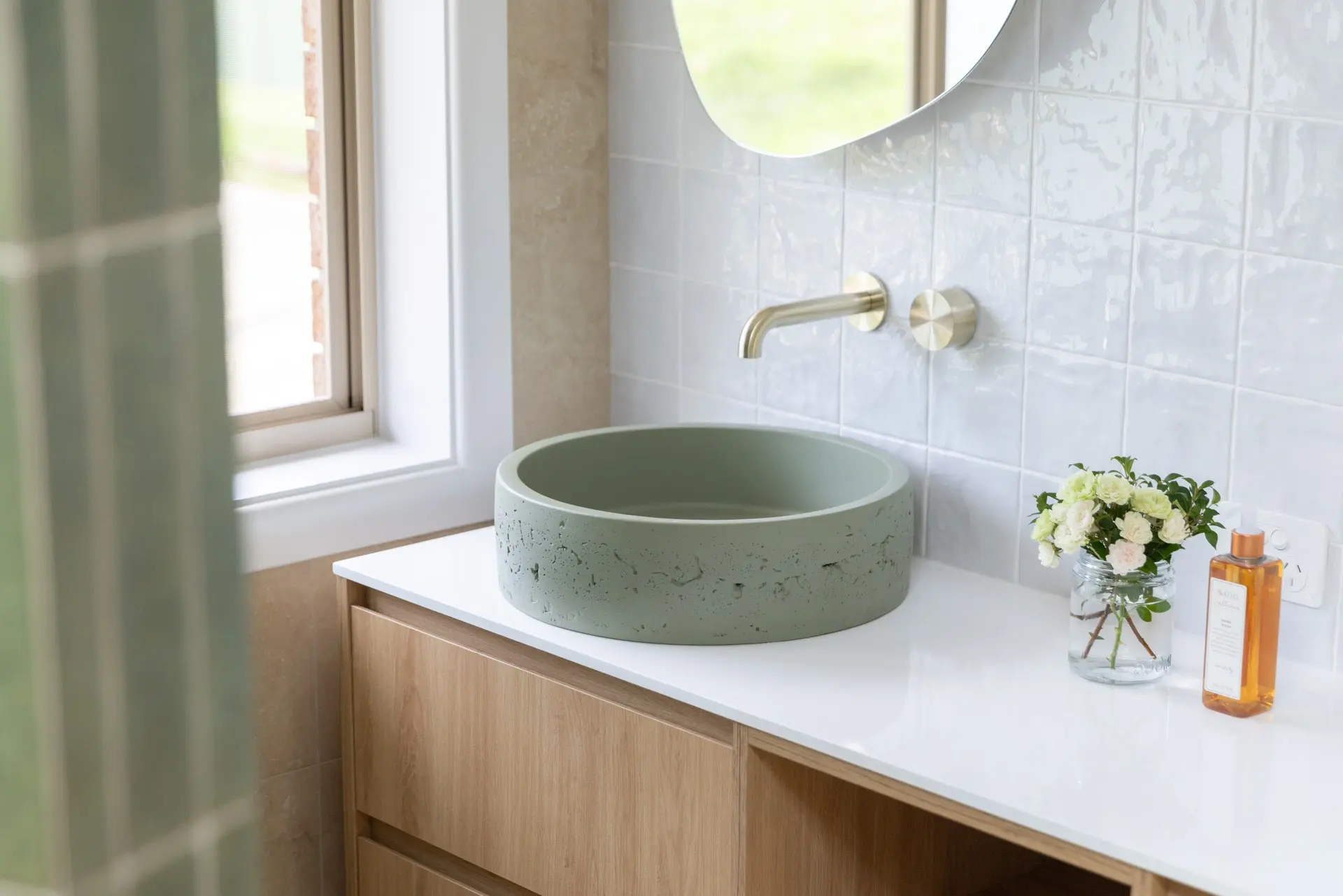
Once your ensuite fundamentals are in place, the joy is in the details: how your tapware finish picks up the grain in your timber vanity, how the shower pressure feels at 6am, how easy it is to keep glass and grout clean.
That’s where a considered tapware brand like Nero Tapware comes in – as the finishing layer that supports compliance and performance in the background, while the design story you’ve chosen takes centre stage. Designed for Australian homes and conditions with collections that span minimalist, coastal, farmhouse and contemporary styles, Nero is the finishing touch that helps your ensuite feel cohesive, considered and distinctly yours.
Important Disclaimer: All cost figures in this guide are indicative only and provided in AUD. Actual prices will vary based on your location, site conditions, material choices and trade rates. Regulations and standards can change over time; always confirm current requirements with your local council, state regulator and licensed professionals, and seek independent financial or professional advice before committing to any renovation.