![[GUIDE] House Renovation Cost in Australia | Real Prices & Budget Tips](https://nero-tapware-assets.spicyweb.net.au/main/guide-house-renovation-cost-in-australia-real-prices-budget-tips.jpeg?v=02032026155833)
House Renovation Cost: Your Complete Australian Guide to Real Costs and Smart Budgeting in 2025
Ever wondered how much a house renovation costs in Australia? This guide takes the guesswork out of your budget, showing you what drives costs and how to plan with confidence.
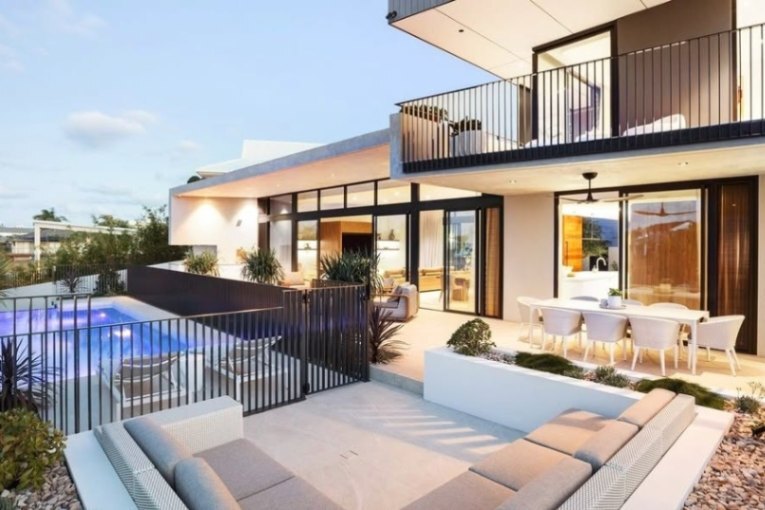
Whether you’re freshening up a small apartment or re-imagining a family home, renovation budgets can quickly climb into six-figure territory. The challenge for most homeowners isn’t just finding the money – it’s understanding what drives the cost, where to invest, and how to avoid the kind of surprises that blow out timelines and bank accounts.
This guide pulls together current price ranges, real-world examples and expert budgeting strategies so you can approach your project with clear eyes and a realistic plan. Think of it as a compass for a whole-house renovation: we’ll set realistic ballpark ranges, explain why some projects cost twice as much as others, then walk through a budgeting method that helps you plan with discipline instead of guesswork.
Key Takeaways
- Budget ranges and averages: Full house make‑overs usually fall between $80,000 and $300,000, while room‑by‑room projects range from $2,000 for a simple bedroom refresh to more than $50,000 for a kitchen or bathroom overhaul.
- What drives the price: Location, project scope, structural changes, materials, trades and council approvals all affect the final bill. Premium finishes and custom work can double costs.
- Smart budgeting matters: Define must‑haves and nice‑to‑haves, research costs, choose your funding and set aside a 10–20% contingency for surprises.
- Invest where it counts: Kitchens and bathrooms deliver the highest return on investment, while energy‑efficient upgrades and open‑plan living add lasting value.
7 Cost Factors: What Determines the Cost of Renovating a House?
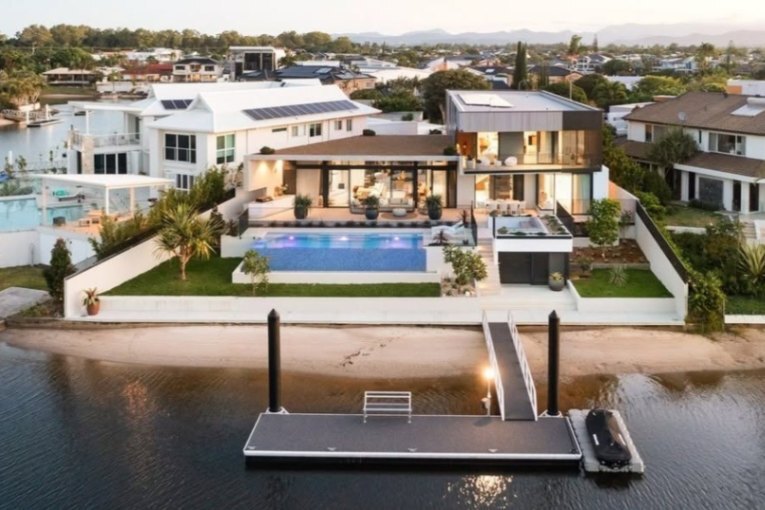
Renovating a house isn’t just about picking paint colours – it’s about understanding the factors that shape your budget.
1. Location and Accessibility
Regional differences play a big role.
- Homes in Sydney often cost 20–30% more to renovate than those in other capitals because labour and materials are more expensive.
- Remote or hard‑to‑access sites may require extra travel time and equipment.
Also Read: Accessible Bathroom Design Guide: Safe, Stylish, and Smart Bathrooms for the Handicapped
2. Project Size and Scope
A cosmetic bathroom refresh (painting, light fittings, flooring) costs far less than a full redesign that involves knocking out walls or extending the floorplan. For example, small apartment renovations range from $25,000–$70,000, whereas structural overhauls can exceed $150,000–$500,000+.
The more you change walls, plumbing and rooflines, the more consultants and trades you’ll need – and the faster costs climb.
3. Structural Changes vs. Cosmetic Work
Removing load‑bearing walls, adding extensions or reconfiguring the layout requires engineering reports, council permits and extra trades. Cosmetic changes such as repainting and new floorboards are comparatively inexpensive.
Also Read: Dulux White on White: Complete Guide to Using This Cool White in Your Home
4. Material Quality and Finishes
Choice of materials can make or break your budget.
- A laminate benchtop might cost around $700
- Natural stone can exceed $5,000
- Premium fixtures and custom cabinetry increase costs significantly.
Related benchtop material readings:
- Ultimate Travertine Guide: What It Is, Types, Cost, Installation & Care
- [Guide] What is Bluestone? | Types, Benefits, Applications, Installation & Maintenance
- Safe & Stylish Alternatives to Engineered Stone Benchtops in Australia
- The Ultimate Granite Buyer's Guide: From Luxe Benchtops to Bulletproof Floors (Everything You Need to Know)
- Limestone Ultimate Guide: Design Ideas, Costs & Care Tips
5. Labour and Trades
Labour often accounts for 35–50% of total renovation costs. Specialised trades (plumbers, electricians, waterproofers) and complex projects can push this higher.
6. Council, Strata and Planning Approvals
Structural changes and wet‑area renovations require building permits and, in apartments, strata approval. Permit fees, plans, engineering reports and council levies add to the final bill. (We’ll give you tips on how to check your approval and code requirements later in this article.)
7. Hidden Surprises
Older homes may hide asbestos, rotting timber or structural issues behind walls. Experts recommend reserving 10–20% of your budget for unexpected problems.
Also Read: 29 Eco-Friendly Bathroom Remodel & Upgrade Ideas
How Much Does It Cost to Renovate a House in Australia?

One of the simplest ways to set expectations is to look at ballpark ranges: per-square-metre pricing for the shell of the work, whole-house budgets for typical homes, and room-by-room estimates for key spaces like kitchens and bathrooms. These aren’t quotes, but they give you realistic goalposts before you start calling builders.
Average Cost per Square Metre
Estimating house renovation cost by square metre offers a useful baseline.
- According to Caulfield Krivanek, a standard home renovation in Australia costs between $1,600 and $3,700 per square metre.
- However, take note that good quality renovations are more like $3,000 to $5,000/m² for full-house work in capital cities. The upper end of the range usually reflects heritage fabric, tricky site access, complex extensions or high-spec joinery and finishes.
- New builds typically cost less per square metre than refurbishing an existing home.
Cost per Square Foot
For international readers, 1 m² equals roughly 10.76 ft². Using the $1,600–$3,700 per m² range, renovation costs translate to $149–$344 per square foot.
Entire Home Renovation Cost
- A a general guide, a full‑scale renovation of an Australian home usually falls between $80,000 and $300,000.
- In high‑cost cities like Sydney or Melbourne, homeowners commonly spend $100,000–$250,000 to update kitchens, bathrooms, flooring and layout.
- If you’re renovating a 2‑bedroom home, expect $80,000–$180,000 depending on finishes and whether you add an extension.
- A 3‑bedroom home typically costs $241,000–$438,000 for a mid‑range whole‑house renovation. For example, a 140 m² three-bedroom brick veneer home in suburban Melbourne might spend around $260,000 on a mid-range full-house renovation that includes a new kitchen, two bathrooms, updated flooring throughout and improved storage – without major extensions.
- Adding more bedrooms, a second storey or significant structural work can push costs toward the top end of the range.
Average Room‑by‑Room Renovation Costs
Different spaces absorb budget at different rates. Wet areas like kitchens, bathrooms and laundries often take the largest share because they involve plumbing, waterproofing and more trades, while bedrooms and living areas are usually cheaper per square metre.
Room or area | Budget range (AUD) | Typical Inclusions |
$15,000–$50,000+ for standard updates; $40,000–$80,000+ for major gut renovations | New cabinetry, benchtops, splashback, appliances, plumbing and electrical upgrades | |
$10,000–$35,000+ for standard bathrooms; $30,000–$50,000+ for luxury bathrooms | Tiling, waterproofing, vanity, tapware, shower screen, plumbing, electrical, custom cabinetry | |
Living room/dining room | $7,000–$15,000 for basic refresh (painting, flooring); up to $20,000+ if knocking down walls or installing new flooring | Painting, lighting, floor coverings, new furniture; structural changes increase cost |
Bedroom renovation | $2,000–$5,000 for a simple makeover; $10,000–$35,000 if adding wardrobes, new windows or an ensuite | Painting, lighting, storage, floor coverings; ensuite additions raise costs |
Butler’s pantry or laundry renovation | $15,000–$35,000 depending on cabinetry, benchtops and appliances | Cabinets, benchtop, sink, tapware, splashback, appliances |
Outdoor areas & landscaping | $12,500–$45,000+ for major landscaping; decks start around $200 per m² | Decking, patios, pergolas, planting, drainage, pool renovation/installation |
Structural extensions | $150,000–$500,000+ | Adding extra rooms, second storey, major structural changes |
House Renovation Costs by State (NSW vs VIC vs QLD)
Renovation budgets aren’t uniform across Australia. Building costs shift with local labour rates, council fees, and market demand. To help you plan more accurately, the table below compares typical per‑square‑metre ranges for major states using figures from builders, architecture cost guides and real‑world projects:
State/City | Typical cost range per m² | Notes |
New South Wales (Sydney) | $2,500–$5,000+ per m² | Sydney is Australia’s most expensive renovation market. Structural extensions and quality fit‑outs often exceed $3 500 per m², and luxury projects can approach $5,000 per m². Renovators should also budget an extra 10–20% for approvals and access difficulties. |
Victoria (Melbourne) | $800–$3,000+ per m² | According to Melbourne builder KiaCon, a basic renovation costs $800–$1,200 per m², mid‑range upgrades cost $1,200–$2,000 per m², and high‑end projects range $2,000–$3,000+ per m². Caulfield Krivanek notes that Melbourne renovation costs are about 1% lower than Sydney’s, so city‑centre projects tend toward the upper end of the range. |
Queensland (Brisbane) | $2,500–$4,000+ per m² | Homebuilders in Brisbane estimate $2,500–$4,000 per m² for full house renovations. Real‑world case studies show that extensions with bedrooms and ensuites can exceed $4,000 per m². One Brisbane case study shows an 80 m² rear extension – adding a new bedroom, ensuite and open-plan living – costing about $328,000, or roughly $4,100 per m², which is typical of why extensions often cost more per metre than internal refurbishments. Caulfield’s regional adjustment notes that Brisbane costs are about 4% higher than Sydney’s. |
🔹NOTE: Use these ranges as a guide, not fixed quotes. Your final cost depends on property age, materials, site access and the quality of finishes you choose. Always obtain written quotes from licensed builders and allow a contingency for surprises.
In-Depth Guide: Room‑by‑Room House Renovation Costs
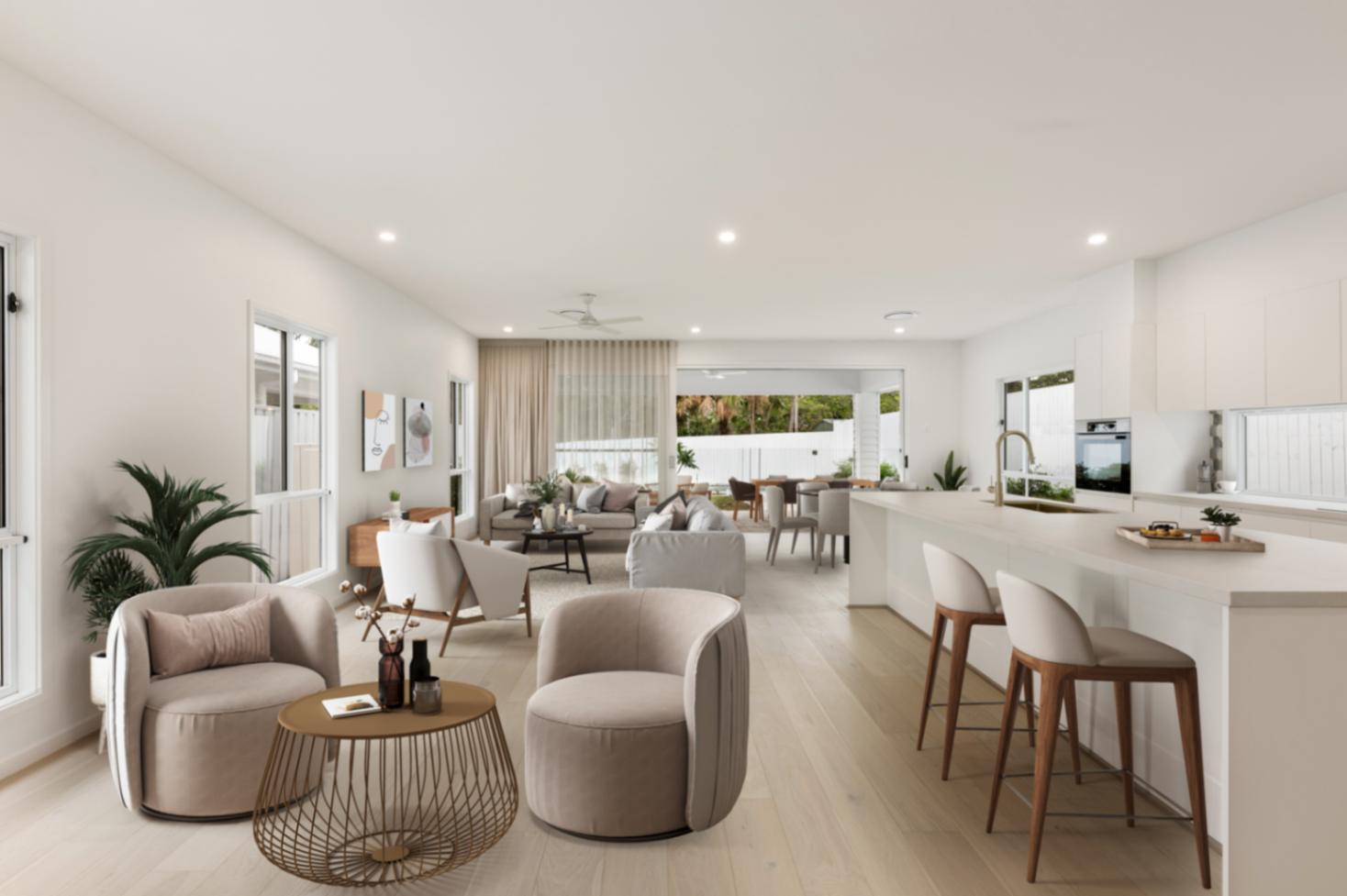
In the previous section we looked at typical room-by-room ranges. Here, we zoom in on how those budgets tend to break down – and where product choices such as tapware and fixtures can influence the final figure.
Kitchen Renovation Cost
Kitchens are one of the biggest line items in a whole-house renovation – and they tend to return a healthy portion of their cost at resale – minor remodels in Sydney recoup 85–95% of their cost.
Basic updates | $15,000–$25,000 |
|
Mid-range remodels | $25,000–$50,000 |
|
Major renovations | $80,000+ |
|
🔹Designer Tip: When selecting tapware, balance form and function. Mixing metals or choosing a statement piece can elevate your space. A single statement mixer from a collection like Nero Mecca in Brushed Gold or Brushed Nickel can anchor the whole kitchen palette, tying together stone benchtops and timber cabinetry while delivering DZR brass durability.
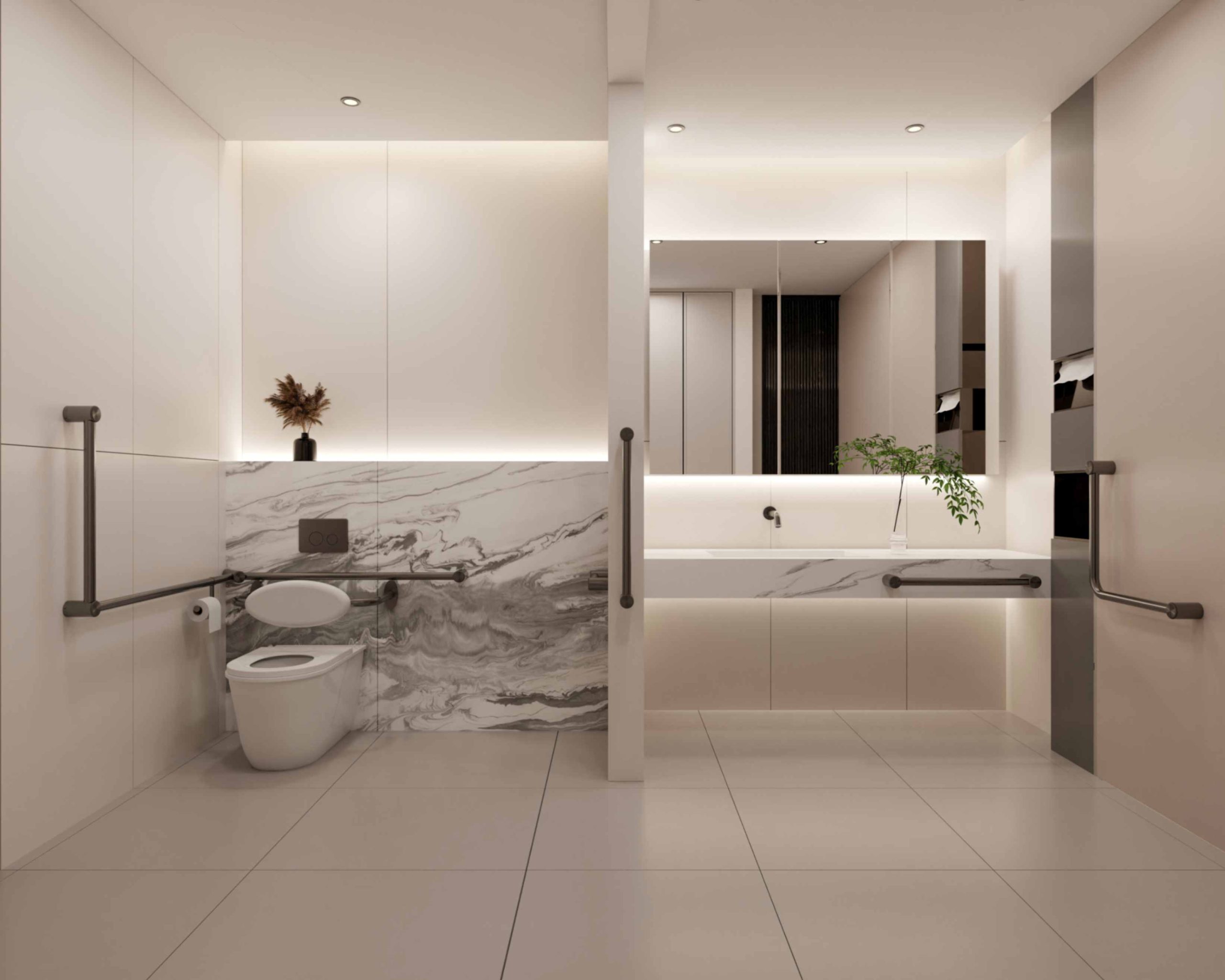
Bathroom Renovation Cost
Bathrooms are labour-heavy and regulation-heavy. This makes them cost‑intensive space because waterproofing and multiple trades are required.
- Basic renovation: $10,000–$15,000
- Mid-range renovation: $16,000–$25,000
- Luxury bathrooms: $30,000–$40,000+
- Powder rooms: $8,000–$15,000
- Premium ensuites: $25,000–$50,000+
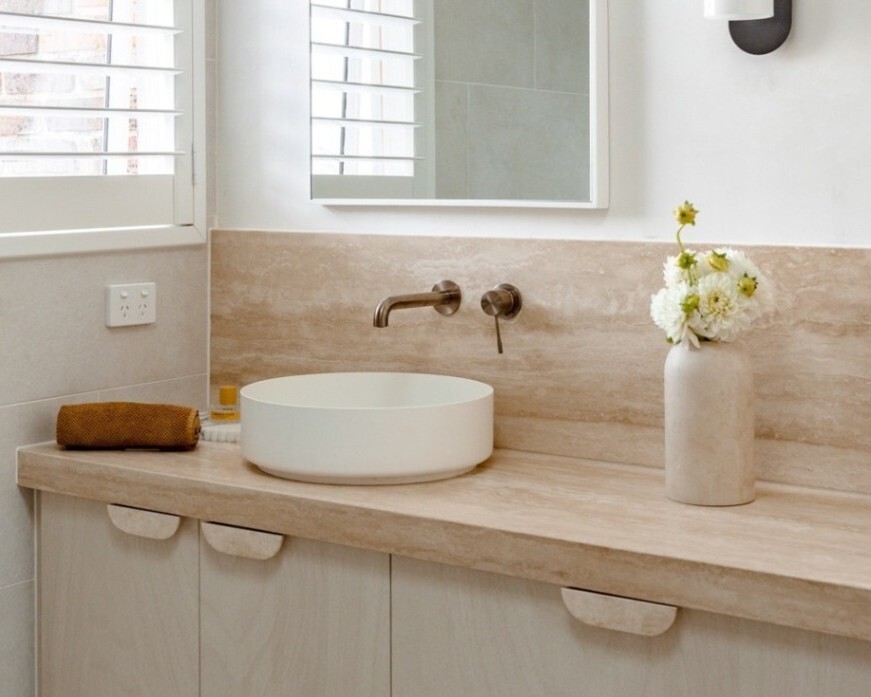
For finishes that reflect your style, Nero’s Zen collection offers slimline mixers and accessories in brushed metals. Zen’s refined simplicity delivers a spa‑like feel without the extravagance. Paired with WELS-rated components and compliant waterproofing, it’s an easy way to achieve a spa-like feel without sacrificing efficiency or durability.
These suggestions are optional – any quality tapware that meets Australian standards will work, but Nero’s collection of kitchen and bathroom tapware showcases how good design and durability can go hand in hand.
Safety, Waterproofing and Water-Efficiency: Where You Shouldn’t Cut Corners
Bathrooms are classed as wet areas, so they have stricter requirements for waterproofing, drainage and slip resistance under the National Construction Code and related Australian Standards. Poor workmanship here can cause hidden water damage, mould and expensive structural repairs, which is why we always recommend:
- Using licensed waterproofers and plumbers who are familiar with NCC requirements and your state’s plumbing regulations.
- Asking for a waterproofing certificate and keeping it with your renovation paperwork.
- Choosing fixtures and tapware that comply with the Water Efficiency Labelling and Standards (WELS) scheme, which rates taps, showers and toilets for water efficiency across Australia.
As a luxury tapware brand, Nero Tapware focuses on designing products that meet or exceed Australian standards while giving designers and homeowners the finishes they want.
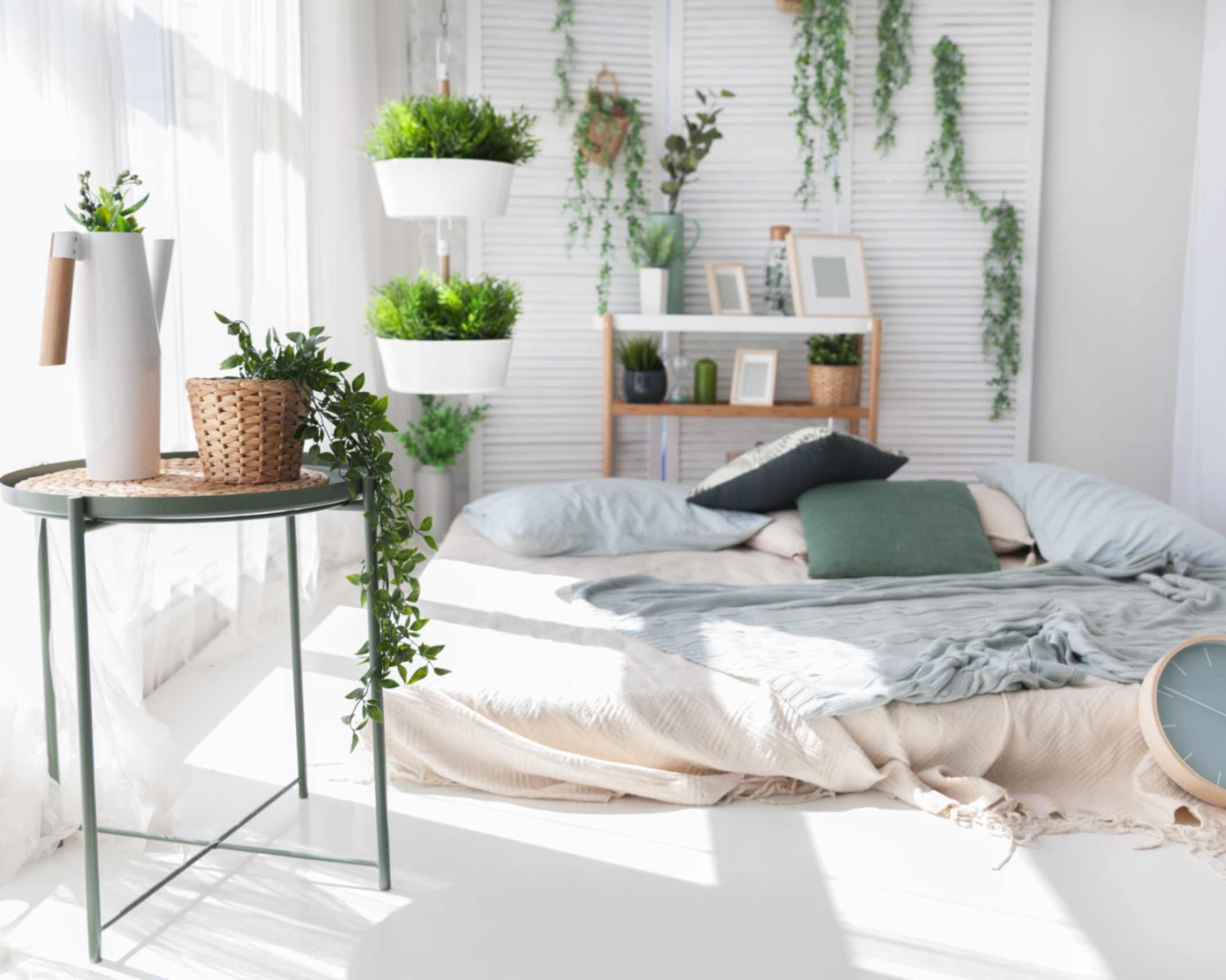
Living Room and Bedroom Renovation Costs
Living rooms and bedrooms usually require less intensive work, so costs are lower.
Painting, updating lights, replacing floor coverings:
- Living room updates: $7,000–$15,000
- Bedroom refresh: $2,000–$5,000
Removing walls to create open‑plan spaces or adding custom storage can push costs upward. Bedrooms with walk‑in robes or ensuites may cost up to $35,000.
Also Read: Master Bedroom Ideas: 60 Expert Tips for Style, Comfort & Function
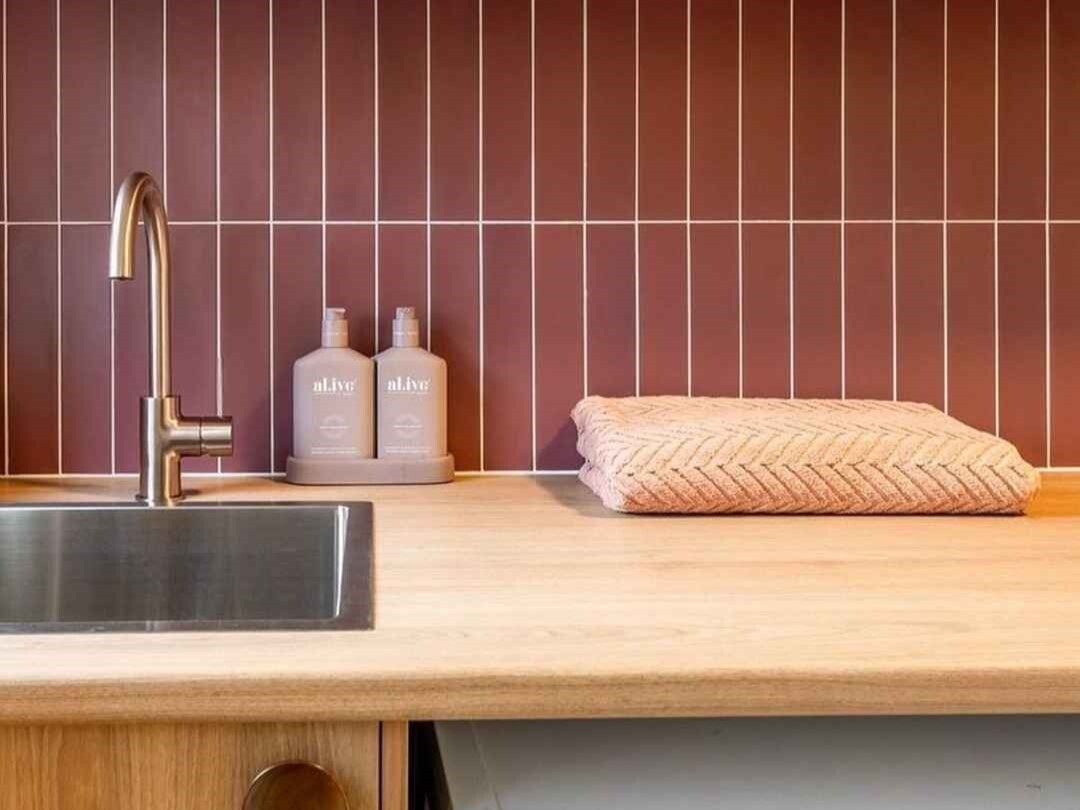
Laundry and Butler’s Pantry
Updating a laundry or butler’s pantry with new cabinetry, benches, sink and tapware typically costs $15,000–$35,000. Including appliances (washer, dryer, refrigerator) increases the budget.
In hardworking zones like laundries and butler’s pantries, simple pull-out spray mixers from ranges like Nero Opal balance practicality with a coherent look that still matches your kitchen and bathrooms.
Also Read: 45 Home Coffee Bar Ideas for All Budgets, Room Sizes, & Aesthetics
Outdoor Areas and Landscaping
Outdoor renovations vary from minor yard refreshes to full backyard transformations.
- Basic landscaping: from $12,500
- Major transformations: $44,500+ (extensive projects involving decks, pools and retaining walls)
- Decking: around $200 per m² for treated pine, rising with premium materials
Outdoors, weather-resistant finishes and appropriate WELS-rated tapware matter as much as aesthetics – coordinated outdoor mixers and showers help the whole project feel intentional from inside to garden.
Also Read: Japanese Zen Garden Ideas: Tranquil Design Principles for Effortless Outdoor Serenity
Cost of House Renovation by Size: 2‑Bedroom, 3‑Bedroom and Beyond

While every home is different, approximate budgets can help you plan:
- 2‑bedroom house: Expect $80,000–$180,000 for a full mid‑range renovation covering kitchen, bathroom, flooring and paint.
- 3‑bedroom house: Martina Hayes notes that a complete 3‑bedroom renovation in Sydney (including three bathrooms, a powder room, kitchen and laundry) costs $241,000–$438,000.
- 4‑bedroom house or 2‑storey homes: Budgets of $300,000–$600,000 are common. Costs rise when adding a second storey, relocating plumbing or fitting multiple bathrooms.
A Simple Home Renovation Cost Calculator (Tool)
You don’t need complex software to build a starting budget. Use this simple formula:
Estimated renovation cost = Renovation area (m²) × cost per m² + allowances for extras (permits, fit‑outs, contingencies)
Example:
If you plan to renovate 120 m² of living space in Brisbane at $3,000 per m², your base cost is 120 × $3,000 = $360,000. Next, add allowances:
- Permits and plans: 10% ($36,000) for building permits and design fees.
- Contingency: 15% ($54,000) for unexpected issues.
The total estimated budget becomes $450,000. You can adjust the cost per m² to see how choosing basic versus high‑end finishes affects your total.
Pro Insight: How to Sanity-Check a House Renovation Cost

To know whether a quote looks “about right”, follow these three quick checks:
- Cost per m² sense-check. Compare the quote to typical ranges for similar projects in your city (for example $1,600–$3,700 per m² for standard renovations, more for complex structural work). If a quote is far below the range, it can be a red flag for missing items rather than a bargain.
- Scope vs approvals. Structural changes, new bathrooms or moving plumbing nearly always trigger approvals and compliance checks under the National Construction Code and state regulations. If the scope includes these but your quote doesn’t mention engineering, certification or council fees, expect additional costs later.
- Allowances and exclusions. Look for provisional sums (PC items) for things like tiling, tapware and appliances. Low allowances can make a quote look attractive on paper but blow out once you choose real products.
Using this simple framework while you’re reviewing quotes makes it much easier to compare “apples with apples” and avoid under-budgeting.
For example, if two builders price a similar Sydney extension at $320,000 and $190,000, the cheaper quote might be missing items like scaffolding, waste removal, engineering or realistic allowances for tiles and tapware. A “reasonable” quote will look more expensive on day one, but it’s less likely to explode with variations once work begins.
Also Read: A Comprehensive Guide to Barndominiums: Cost & Construction
How to Budget for Your House Renovation

A clear budgeting process is just as important as the numbers themselves. This five-step framework combines advice from building regulators and experienced renovators to help you craft a realistic budget.
Step 1. Define your project scope and priorities.
List your must‑haves (address safety issues, outdated electrical systems, structural problems) and nice‑to‑haves (luxury finishes, smart‑home features). Tackling essential rooms first – often the kitchen and bathroom – lets you stay functional while you renovate other spaces later.
Step 2. Research costs and gather rough estimates.
Use online calculators, speak to local builders and read price guides.
- Labour typically makes up 35–50% of renovation budgets
- Followed by structural work (20–30%)
- Then Materials and fixtures (20–25%)
Ask for at least three detailed quotes and make sure each quote spells out what is included.
Expert Tip: Use Government Checklists to Compare Quotes
Consumer protection agencies in each state publish checklists on what a building quote should include – things like detailed scopes, start and finish dates, prime cost items and how variations are handled. In Victoria, for example, Consumer Affairs Victoria explains when a major domestic building contract is required for work over $10,000 and what must be in it.
When you receive quotes:
- Match them against your state’s checklist (rather than relying on a generic template you find online).
- Ask for missing details – especially around exclusions, provisional sums and how delays are managed.
- Confirm that your builder is properly registered and insured for domestic building work in your state.
Spending an extra hour here can easily save thousands of dollars in disputes or variations later.
Step 3. Decide how you’ll fund the project.
Homeowners usually fund renovations through a mix of savings and borrowed funds.
Options include:
- Savings: No interest costs.
- Home equity loans: Allow you to borrow against your property at rates about 2–3% above home‑loan rates.
- Renovation loans: Offered by banks with fixed rates and structured draw‑downs.
- Redrawing on your mortgage: Often the cheapest borrowing option.
Step 4. Create a detailed line‑item budget.
Break down every room or task into labour, materials, permits and contingency. A sample Sydney kitchen budget might allocate funds like this:
- Demolition & disposal: $2 500–$4,000
- Plumbing & gas: $3,000–$5,000
- Electrical work: $2,500–$4,000
- Cabinetry: $8,000–$25,000
- Benchtops: $3,000–$8,000
- Appliances: $5,000–$15,000
- Splashback: $1,500–$3,000
- Flooring: $2,000–$5,000
- Painting: $1,500–$2,500
- Contingency (20%): $5,800–$14,000
Step 5. Add a 10–20% contingency fund.
Industry experts recommend setting aside 10–20% of your overall budget for unforeseen expenses. In older homes or heritage properties, aim for the upper end of that range. It’s far easier to decide what to add at the end of a project than to scramble for extra cash mid-build because you under-estimated risk.
Where to Check Your Approval and Code Requirements
Understanding the rules up-front helps you avoid costly missteps and last-minute design compromises.
- National Construction Code (NCC). The NCC is Australia’s main technical standard for building and plumbing work and sits behind many of the rules your designer and builder must follow. It covers structural integrity, waterproofing, energy efficiency and more.
- State building regulators. Bodies like the Victorian Building Authority (VBA), Queensland’s home owner hub and NSW Fair Trading publish consumer guides on permits, contracts and builder registration. These sites explain when you need a building permit, who can do the work and what insurance must be in place.
- Local councils. Each council has its own planning overlays, heritage controls and bushfire or flood-related rules that affect house renovation cost and feasibility. Always check your council’s planning portal or speak with a duty planner before assuming a structural change or extension is allowed.
Expert Home Renovation Tip: If a builder says “no approval needed”, ask them to point to the relevant council or state guideline in writing. That’s a simple way to confirm you’re staying compliant – and it avoids nasty surprises at sale time when solicitors check compliance certificates.
Financing: Can You Get a Home Loan That Includes Renovation Costs?
Many lenders offer construction loans or home‑equity loans that bundle renovation costs into your mortgage. Some allow you to redraw unused equity, while others provide a separate loan with staged payments as work progresses. Speak with a mortgage broker or your bank to compare options. Remember that borrowing against your home increases your debt and should align with your long‑term financial goals.
For renovations over $10,000, Consumer Affairs Victoria recommends using a major domestic building contract and verifying that your builder holds appropriate licences and insurance.
Whichever path you choose, understand how staged payments will work, confirm what documentation the lender requires from your builder, and be realistic about how the new repayments fit into your long-term financial goals.
How Long Does a Renovation Take?
Timelines vary. A simple bathroom makeover might take 2–4 weeks, a kitchen 3–9 weeks, and a full house renovation 3–12 months depending on scope and approvals. Doing the whole project in one coordinated phase usually reduces total time and trades’ set-up costs compared with piecemeal work spread over several years.
Bringing It All Together – and Where Nero Fits In
Renovating an entire house is one of the largest projects most households will ever undertake. The numbers are big, but they make more sense when you:
- understand the cost drivers
- benchmark your quotes against realistic ranges
- and build a budget that includes approvals, risk and contingency.
Once you’re clear on what you can realistically spend, the next step is turning that budget into a coherent look and feel. That’s where your fixtures and finishes work hard for you.
As you move from numbers into design, Nero Tapware can help you pull the look together – from kitchens and bathrooms to laundries and outdoor showers. Co-ordinated collections like Mecca, Zen, Opal and Bianca give you a consistent language of forms and finishes across the whole house, while meeting Australian standards for water efficiency and durability.
If you’re ready to translate your budget into a design direction, Nero’s Design Hub is a useful next stop: it brings together inspiration, product guidance and real-world projects so you can see how considered tapware choices play out in finished homes.
Your budget sets the limits; good design makes the most of them.
Important Disclaimer: This article provides general information only and should not be taken as financial, legal or building advice. Whole-house renovations vary significantly in scope, cost and regulatory requirements. Before proceeding, secure written quotes from licensed professionals, discuss approvals with your local council or building surveyor, and consult an independent financial adviser to ensure the project meets your needs and obligations.