Kitchen Renovation Cost in Australia: A Comprehensive 2025 Guide to Budgeting Your Dream Kitchen
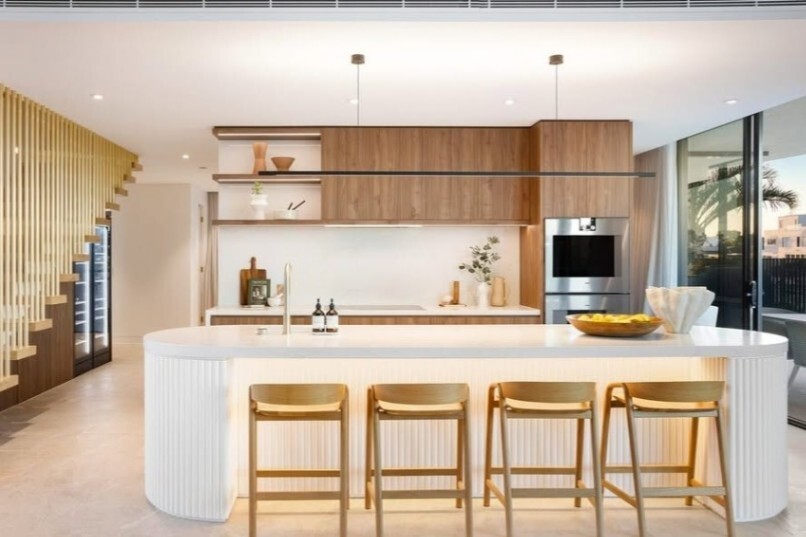
Designing a kitchen is about more than colour palettes and cabinet handles. It is one of the biggest investments you can make in your home – and also one of the most complex. Between cabinetry, benchtops, appliances, trades and compliance, costs can climb quickly if you do not have a clear plan. Whether you want a simple facelift or a luxury overhaul, understanding what drives costs helps you plan and budget with confidence.
A well-planned kitchen renovation can change the way you live day to day – from smoother morning routines and family meals to relaxed weekend entertaining. It can also support future resale value by making your home feel more functional, contemporary and move-in ready to buyers.
This 2025 guide breaks down everything you need to know about kitchen renovation cost in Australia. We look at average prices, what you can expect to spend at different budget levels, the factors that push costs up or down and smart strategies to stay on budget. We also touch on how thoughtful tapware and fixture choices, like Nero’s collections, can elevate your finished kitchen without blowing your budget.
NOTE: All amounts are approximate and in AUD.
Key Takeaways
In Australia, kitchen renovation cost typically ranges from around $5,000 for a small cosmetic facelift to $80,000+ for a high-end custom kitchen. Most standard family kitchens sit in the $20,000–$40,000 range.
Cabinetry, benchtops, appliances and labour make up most of the cost. Cabinets alone can consume 30–40% of your budget. Knowing what each element costs helps you set realistic expectations and allocate funds wisely.
Size, layout, materials, structural changes, trades, and your location all influence the final kitchen renovation cost in Australia.
Planning early, keeping your existing layout where possible and mixing high- and low-cost materials can save thousands of dollars without sacrificing style.
Investing in durable, water-efficient fixtures and tapware provides long-term value and a more enjoyable kitchen to live in every day. Thoughtful choices from Nero Tapware collections like Nero’s Mecca, Zen and Opal ranges can lift the look of your kitchen without blowing the budget.
How Much Does a Kitchen Renovation Cost in Australia?
Average Kitchen Renovation Cost in Australia
Kitchen renovations are among the most expensive home improvement projects. According to recent industry data:
A new kitchen can cost anywhere between $20,000 and $40,000 for a typical family kitchen.
Budget makeovers may start from $5,000–15,000
Premium custom kitchens with high‑end materials and bespoke joinery can exceed $50,000.
The wide range reflects differences in size, quality of materials, scope of work and whether you change the layout.
Typical Kitchen Renovation Cost Ranges (Australia, 2025)
Project type | Approximate cost range (AUD) |
Cosmetic facelift / low-cost kitchen | $5,000–$15,000 |
Mid-range family kitchen | $22,000–$45,000 |
High-end / custom kitchen | $45,000–$80,000+ |
Across Australia, prices also shift depending on where you live. Metropolitan areas such as Sydney and Melbourne usually sit at the top of the range because of higher labour demand, while regional parts of Queensland, South Australia and Tasmania often come in slightly lower.
Industry insights from the Housing Industry Association show that labour continues to play a significant role in final costs, which is why itemised quotes and transparent pricing are so important.
Kitchen Renovation Cost Categories: Low‑Cost, Mid‑Range & High‑End
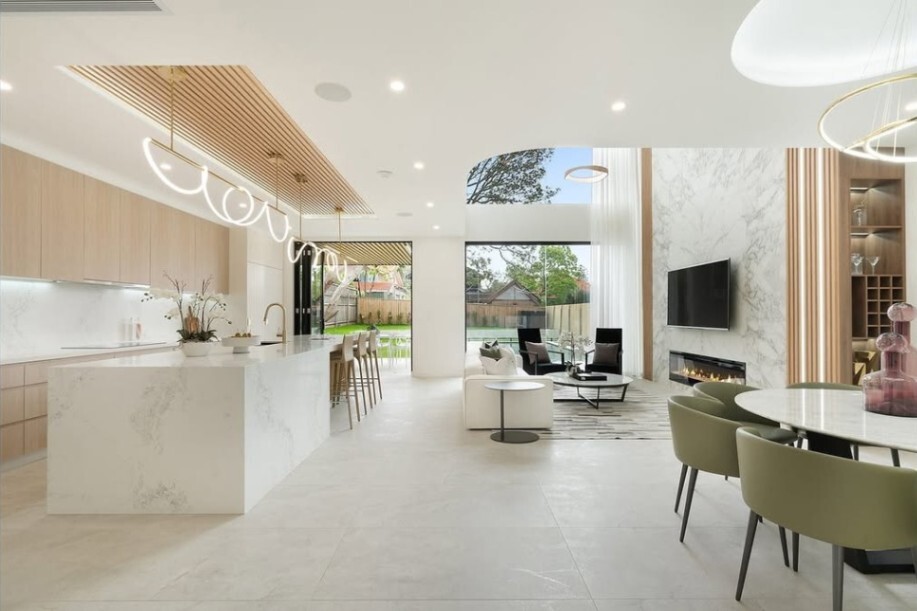
Homeowners often think about their projects in three broad categories. These are not strict rules, but they offer a useful starting point when planning your budget.
1. Low‑Cost Kitchens (Facelifts) – $5,000–$15,000
These projects focus on refreshing what you already have rather than starting from scratch. They are ideal for rental properties, tight budgets or when you simply want to modernise a dated kitchen without major building work.
Common inclusions:
Painting or refacing existing cabinet doors instead of replacing carcasses
Swapping laminate benchtops, taps and handles for updated styles
Installing a new splashback or repainting walls
Replacing one or two key appliances (for example, a cooktop and oven)
Minimal electrical or plumbing changes
2. Mid‑Range Kitchens – $22,000–$45,000
Mid-range kitchens balance quality and budget. They are the most common renovation type for family homes in Australia.
Typical features:
New modular cabinetry with a combination of drawers and cupboards
Quality laminate benchtops
Tiled or glass splashbacks
A full suite of mid-range appliances
New sink, tapware, lighting and basic layout tweaks
Limited structural work (for example, creating a breakfast bar or partial wall opening)
3. High‑end kitchens – $45,000–$80,000+
At the top end of the market are highly customised kitchens designed for specific homes, chefs or luxury developments.
These projects often include:
Bespoke joinery with integrated internal organisers, pull-out pantries and soft-close hardware
Premium natural stone or porcelain benchtops and splashbacks
High-end European appliances and integrated refrigeration
Extensive lighting design, including hidden LED strips and feature pendants
Custom rangehoods, bar areas or butler’s pantries
Significant structural work such as moving walls, adding windows or extending the footprint
Small Kitchen Renovation Cost
Even modest kitchens can be expensive because cabinetry and trades are fixed costs regardless of room size. A small kitchen renovation often costs $5,000–$20,000, depending on finishes and whether you alter the layout. Opting for flat‑pack cabinets and laminate benchtops will reduce costs, while custom joinery increases them. Space‑saving layouts such as galley or L‑shaped kitchens help contain costs and maximise efficiency.
Also Read: Bathroom Renovation Cost Australia 2025 Guide – Average Prices & Smart Budgeting Tips
Typical Kitchen Renovation Cost per Square Metre
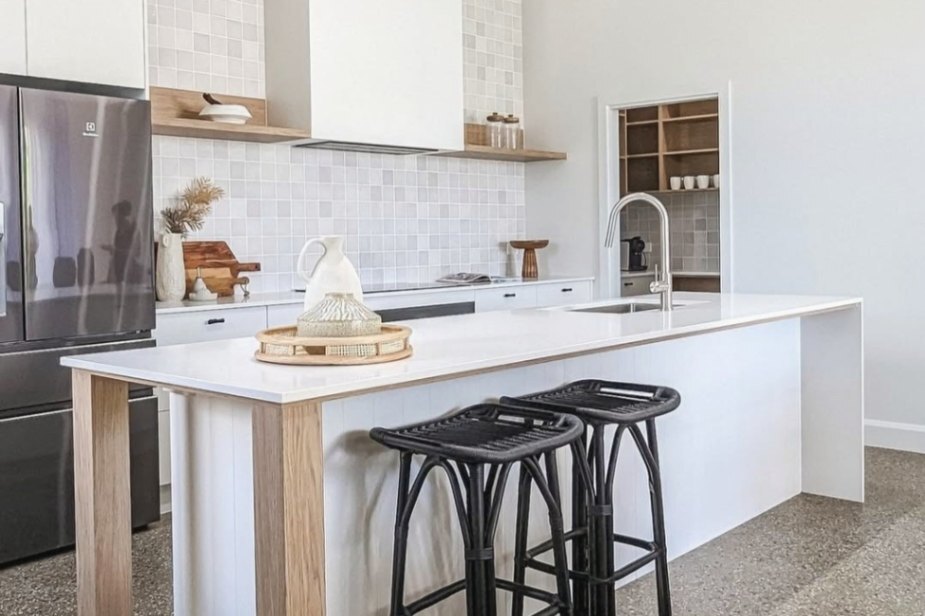
Another way to look at costs is per square metre.
A budget kitchen using flat‑pack cabinets and laminate benchtops may cost $1,500–$2,000/m²
Mid‑range kitchens range from $2,500–$3,500/m²
Luxury kitchens with bespoke joinery and stone surfaces can exceed $4,000/m²
These figures include cabinetry, benchtops, basic appliances and installation but not structural changes or major plumbing relocations. However, labour and appliance choices often matter more than floor area alone, so per-m² figures should only be used as a very general indicator.
Expert Kitchen Renovation Tip
Designers often recommend focusing your investment where it makes the biggest difference—cabinetry hardware, benchtops and reliable appliances. These elements face daily use and have the greatest impact on both longevity and comfort.
Following consumer guidance from the Australian Cabinet Makers Association and state building authorities adds peace of mind when choosing suppliers and installers.
Breakdown of Costs for Kitchen Renovations: What Makes Up a Kitchen Renovation Budget?
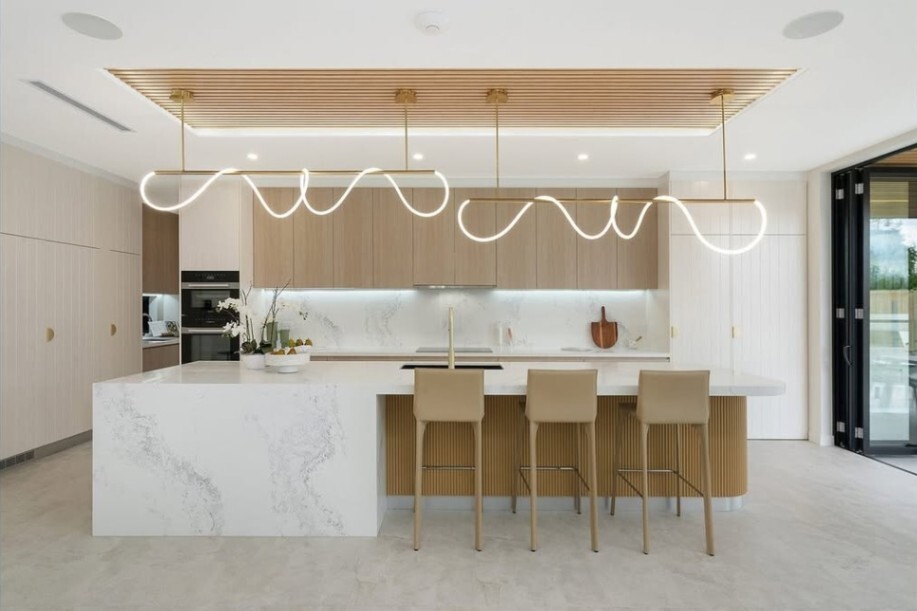
Breaking your budget into categories helps you understand where your money is going and where you can adjust specifications if needed. Percentages are general ranges and will vary by project.
1. Cabinetry and Storage Solutions (30–40%)
Cabinetry is often the single largest cost in a kitchen renovation, accounting for 30–40% of the budget. Custom joinery, premium hardware and complex layouts increase the spend, while simple, modular cabinets bring it down.
Cost drivers include:
Number of cabinets and internal accessories
Choice of material (melamine, thermo-laminate, timber veneer, solid timber)
Door profiles (flat, shaker, routed) and finishes (matt, textured, high gloss)
Soft-close hinges, drawer runners, pull-out pantries and corner solutions
Helpful Tips:
Flat‑pack or melamine cabinets are affordable and easy to assemble.
Custom cabinets made from solid timber or premium laminates cost more but offer greater flexibility and durability.
Soft‑close hinges, pull‑out pantries and clever corner solutions improve usability and increase cost.
Also Read: Open Shelving vs. Closed Cabinets: Which Is Right for Your Kitchen?
2. Benchtops and Splashbacks (10–25%)
Benchtops and splashbacks significantly influence the look and feel of your kitchen.
Common options:
Laminate ($350–$650/m²) – generally the most affordable, with many contemporary designs
Natural stones (e.g. marble or granite range from $600 to $1,200/m²) – premium marbles and granites require more maintenance but offer unique character
Porcelain and sintered surfaces ($700–$1,200/m²)– thin, heat-resistant slabs suitable for benchtops and splashbacks
Splashbacks can be made from tiles, glass, stainless steel or the same material as the benchtop. Tiles are affordable. Full-height splashbacks are more expensive but visually striking.
Related benchtop material readings:
Safe & Stylish Alternatives to Engineered Stone Benchtops in Australia
Ultimate Travertine Guide: What It Is, Types, Cost, Installation & Care
[Guide] What is Bluestone? | Types, Benefits, Applications, Installation & Maintenance
3. Appliances and Fittings (10–20%)
Appliances account for around 10–20% of your budget.
Basic packages (cooktop, oven, range hood, dishwasher) start around $5,000
High‑end brands and integrated appliances can exceed $15,000
Nero Design Tip: When choosing appliances, consider energy efficiency and long‑term operating costs. Tapware and sinks also vary in price. Affordable mixers start around $100, while designer taps in brushed gold or matte black cost several hundred dollars. Investing in high‑quality tapware, like the Mecca or Serenity collections, ensures durability and timeless style.
4. Fixtures, Sinks and Tapware (5–10%)
Fixtures tie the entire kitchen together visually and functionally. Quality tapware and sinks are touched dozens of times a day and have a big impact on everyday comfort.
Key points to consider:
Choose WELS-rated tapware to manage water usage and comply with Australian standards.
Look for solid brass or 316 stainless steel bodies with durable finishes rather than lightweight, low-cost fittings.
Coordinating the finish of your tapware, cabinet handles and accessories creates a cohesive story.
5. Labour, Permits and Design Fees (25–35%)
Labour usually makes up 25–35% of the renovation budget. This includes carpentry, plumbing, electrical work, tiling and painting.
Expect to pay $60–$120 per hour for tradespeople, depending on your location and their experience.
If you change the layout, you may need a building permit or compliance certificate, particularly if structural walls are removed. Council approvals and independent certifications add to costs but ensure safety and compliance.
Design fees for engaging an architect or interior designer typically run between 5–15% of the total project cost. However, professional design can help you avoid costly mistakes and maximise space.
Expert Compliance Tips
As you compare quotes, it’s worth keeping in mind that kitchen work should meet recognised Australian standards.
Plumbing work is generally guided by AS/NZS 3500 (Plumbing & Drainage), and electrical installations by AS/NZS 3000 (Wiring Rules).
Your trades should provide the relevant compliance certificate once the work is complete—these documents support safety, resale and insurance.
In many states, additional certificates (for example waterproofing or structural work) may also be required.
For detailed guidance, see the Australian Building Codes Board (ABCB) and industry associations such as Master Plumbers Australia.
6. Hidden costs and contingencies (5–10%)
No renovation is completely free of surprises. Issues such as asbestos, outdated wiring, water damage or uneven floors only become visible once demolition starts. Industry professionals typically recommend setting aside a 10–15% contingency buffer.
If everything goes smoothly, this buffer can be used for upgrades at the end. If challenges do arise, you are financially prepared without needing to compromise on essential items.
Also Read: [GUIDE] House Renovation Cost in Australia 2025 | Real Prices & Budget Tips
Example Kitchen Renovation Budgets (Indicative Only)
Every project is unique, but the following simplified scenarios show how a budget might be distributed. All amounts are approximate and in AUD.
1. Small apartment facelift – budget around $12,000 to $15,000
Ideal for: compact apartments or older units where the layout works but the finishes are tired.
Typical inclusions:
Reface existing cabinetry and replace handles
New laminate benchtop and tiled splashback
Mid-range oven, cooktop and rangehood package
New sink and mixer tap
Painting and minor electrical updates
Take note that $12,000 is realistic only for:
A small kitchen (typical apartment galley or small L-shape)
If you keep appliances nearer the $1–2k level and tiles simple
No layout changes, and
Very budget-conscious choices for materials and trades (some DIY helps a lot)
2. Family home mid-range renovation – budget around $35,000 to $45,000
Ideal for: family homes where you want a fresh, functional kitchen that feels contemporary and adds to resale appeal.
Typical inclusions:
Flat-pack/modular or value-engineered cabinetry, not fully custom
Tiled or glass splashback
Full set of mid-range appliances
New undermount sink and pull-out spray mixer
Updated lighting and power points
Plumbing and electrical work within existing layout
Example of mid-range breakdowns:
Cabinets: $10k–$20k
Benchtops: $3k–$8k
Appliances: $6k–$15k
Flooring, lighting, splashback, labour: easily another $10k–$20k
3. Entertainer’s high-end kitchen – budget $70,000+
Ideal for: forever homes and high-end properties where the kitchen is the hero of the living space.
Typical inclusions:
Custom joinery with integrated internal accessories
Premium stone or porcelain benchtops and splashbacks
High-end European appliances and integrated refrigeration
Feature island with statement tapware from Nero
Structural changes to open the kitchen to living areas
Extensive lighting design and premium flooring
At this level, design decisions are driven as much by aesthetics and daily comfort as by budget, and engaging an experienced designer or architect usually delivers the best result.
6 Factors that Affect Kitchen Renovation Cost in Australia
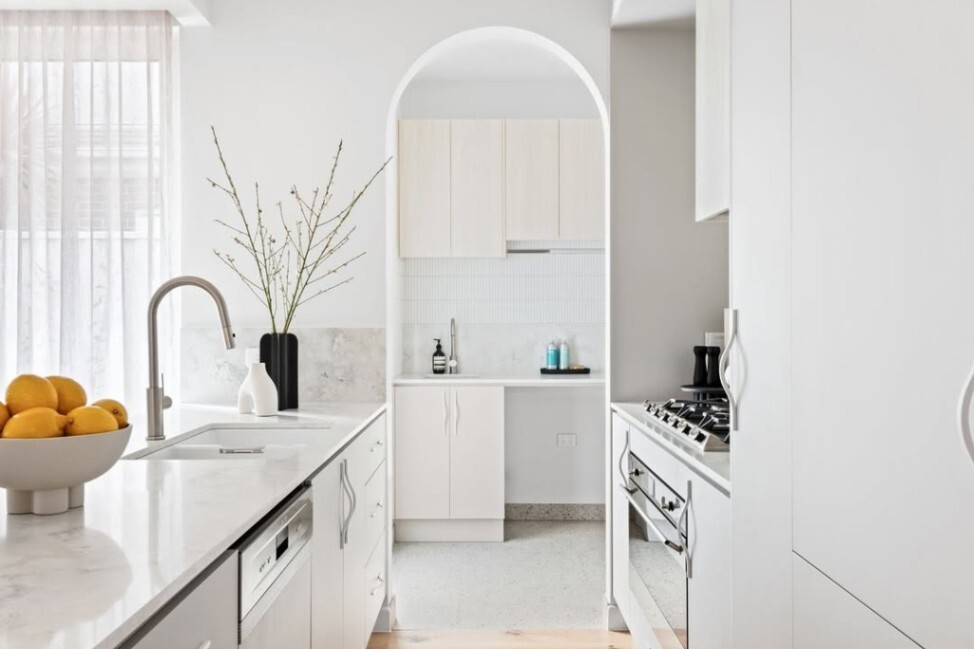
No two kitchens are alike. Costs vary widely because of individual choices and site conditions. These factors have the biggest impact on your budget.
1. Size and Layout
The size of your kitchen determines how much cabinetry, benchtop material and flooring you need.
A compact kitchen might require fewer materials but can be expensive if it needs clever storage solutions or bespoke hardware.
Larger kitchens need more cabinets and benchtops and may require moving plumbing or electrical services if you change the layout.
Keeping the existing footprint is one of the easiest ways to reduce costs because relocating services adds labour and materials.
2. Materials and Finishes
Materials account for around 60% of a kitchen renovation budget, with labour making up the remainder.
Laminates and vinyl wraps are cost‑effective, while natural stone benchtops and custom joinery increase costs significantly.
Premium finishes like marble, solid timber cabinets and designer hardware raise the budget dramatically.
Nero Design Tips:
Every material decision has a cost implication. Two kitchens with identical layouts can have very different price tags if one uses laminate and standard tiles while the other uses marble, custom profiles and handmade tiles.
Ask your designer or cabinetmaker for good/better/best options so you can see how each upgrade affects the budget.
Also Read: 9 Types of Tapware Finishes: Colors | Pros & Cons
3. Appliances and Fixtures
Appliances play a major role in both functionality and budget.
Entry‑level ovens, cooktops and rangehoods keep costs down.
Mid‑tier appliances from brands like Miele or Bosch balance performance and design.
Luxury appliances from brands such as Gaggenau or Sub‑Zero deliver professional performance and a showpiece look but quickly add thousands to your budget.
Fixtures like sinks and tapware also vary widely. Investing in a high‑quality mixer tap may seem minor, but it enhances daily use and longevity. For example, pairing a brushed nickel range like Nero’s Zen collection with simple white joinery and timber accents delivers an architectural but calm look. Warmer metallics from collections such as Mecca can soften stone and timber palettes, while textured Opal pieces add tactile interest.
4. Labour and Trades
Skilled trades are essential for safe and durable renovations. Electricians, plumbers, carpenters, tilers and painters each have their own fees. Labour often can make up to 40% of the total cost.
Complexity increases costs: moving plumbing or electrical lines, installing structural beams or removing walls requires more trades and time.
To avoid budget blow‑outs, obtain fixed quotations from reputable tradespeople and confirm who is responsible for each task.
5. Structural Changes and Permits
Removing load‑bearing walls, adding windows or extending the kitchen footprint will significantly raise your costs. Structural work requires building permits and specialist trades, which can add thousands of dollars. In some regions you’ll need permits for plumbing or electrical modifications. Plan early to understand the approval process and associated fees.
6. Hidden Costs and Contingencies
Unexpected costs are part of every renovation. Asbestos removal, wiring upgrades, plumbing problems or replacing rotten sub‑flooring can add to your budget. Experts recommend setting aside at least 10–20% of your budget as a contingency fund. Without a buffer you may need to scale back finishes or features if surprises arise.
Also Read: Laundry Renovation Cost Guide in Australia: Cost Breakdown, Factors, & More
5-Step Guide on How to Plan Your Kitchen Renovation Budget
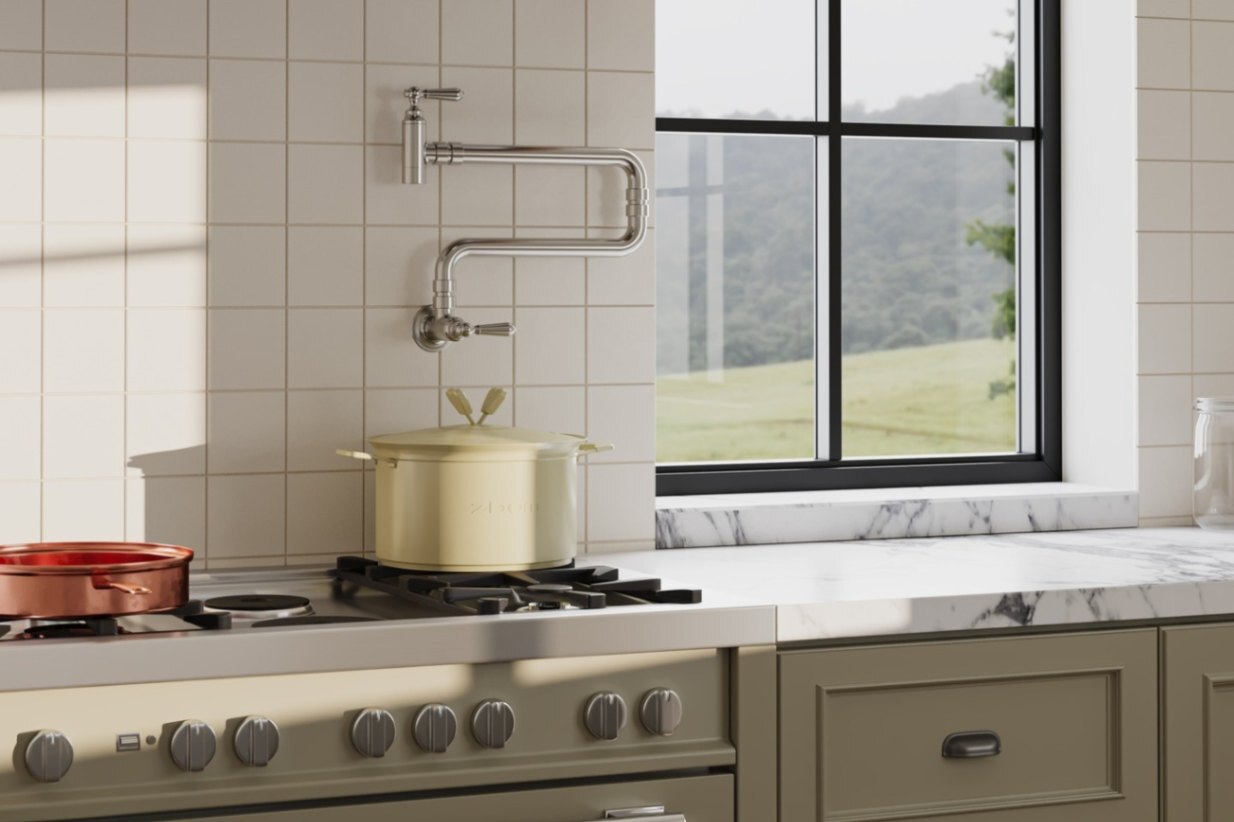
Step 1. Set your priorities.
Start by defining your goals. Are you improving functionality, updating style or increasing resale value?
Decide what must be replaced and what can stay.
Identify your must‑have elements, such as additional storage or improved lighting, and allocate funds accordingly.
Step 2. Define the scope of work.
Decide whether you are planning a cosmetic facelift, a full replacement within the current footprint or a more extensive renovation with layout changes and structural work. The scope will largely determine your required budget range.
Step 3. Set a realistic budget range.
Based on the categories above, decide whether you are aiming for a low-cost, mid-range or high-end project. Use the typical ranges as a guide and then refine them as you gather quotes. Keep at least 10% of your budget as a buffer for unexpected expenses such as hidden water damage or electrical issues.
Step 4. Allocate your budget by category.
A simple budgeting method used by many designers is the 30/30/20/20 approach.
Quick budget allocation guide:
30–40% cabinetry and storage
10–25% benchtops and splashbacks
10–20% appliances
5–10% fixtures, sinks and tapware
25–35% labour, design and permits
5–10% contingency
You can adjust these percentages based on your priorities. For example, a passionate home cook might allocate more towards appliances, while others prioritise premium stone or custom joinery.
This helps you invest in the areas that matter most and stay prepared for surprises. State consumer bodies, such as Service NSW and Consumer Affairs Victoria, also offer helpful guidance on contracts and homeowner rights before work begins.
How to Estimate Kitchen Renovation Costs and Build a Buffer
Obtain at least three itemised quotes from licensed builders or kitchen companies.
Ask for separate pricing for cabinetry, benchtops, appliances and labour.
Compare quotes to understand where the differences lie.
Use online cost calculators and guides to cross‑check numbers.
Plan a contingency of 10–20% to cover unexpected costs.
Step 5. Obtain detailed, itemised quotes.
Ask each builder, cabinetmaker or trade to provide itemised quotes that separate materials, labour and allowances. This makes it easier to compare options and see where you might reduce costs without compromising quality.
Also Read: [GUIDE] Plunge Pool Cost Australia: Prices, Factors, Cheap DIY Plunge Pools & More
Should You DIY or Hire Professionals for a Kitchen Renovation?
Doing some work yourself can save money, but be realistic about your skills and time.
Painting, demolition and simple assembly are suitable DIY tasks.
Electrical, plumbing and gas work must be performed by licensed trades for safety and compliance.
Hiring professionals reduces risk, ensures quality and may be cheaper in the long run if it prevents costly mistakes. Consider mixing DIY and professional services to stretch your budget.
Expert Kitchen Renovation Tip
Each state and territory requires major plumbing, electrical or gas work to be carried out by a licensed professional. Engaging someone without a licence can lead to serious safety risks and may jeopardise your home insurance if a fault or failure stems from unlicensed work.
Licensing authorities such as NSW Fair Trading, the Victorian Building Authority (VBA) and the QBCC in Queensland allow licence-status checks so you can verify your tradesperson. It’s a simple step that protects you now and into the future.
Quick compliance checklist for Australian kitchen renovations.
Engage licensed trades for plumbing, electrical and gas work.
Ask for compliance certificates for plumbing and electrical work once the job is complete.
Check WELS ratings when selecting tapware, sinks and appliances that use water.
Confirm any required building or planning permits with your local council or building surveyor.
Keep copies of quotes, contracts and certificates together for future resale and insurance.
7 Helpful Tips to Manage & Reduce Kitchen Renovation Costs
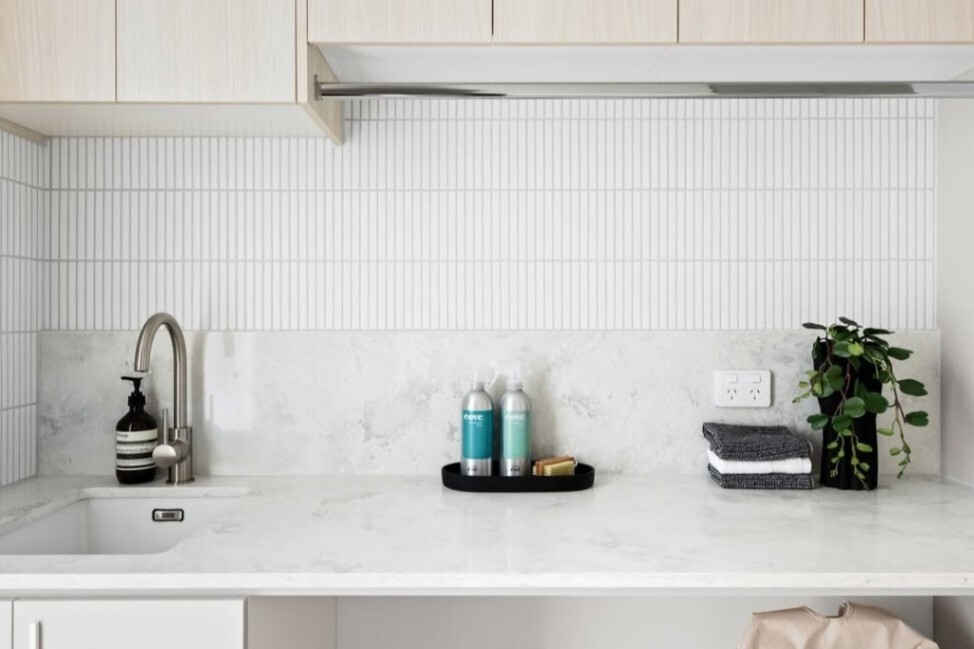
Renovating on a budget does not mean compromising on style or quality. Here are practical strategies to keep costs under control:
Tip 1. Keep Your Existing Layout and Plumbing
Even small layout adjustments can influence your budget. Moving plumbing just a metre or two can add several hundred dollars, while relocating major services can cost significantly more.
Staying within the current footprint saves thousands on plumbing and electrical relocation. Use cabinetry to improve storage and flow instead of moving major services. Updating tapware and appliances in their existing positions can give you a fresh look without structural changes.
Tip 2. Mix High‑ and Low‑Cost Materials
Many homeowners save by mixing both flat-pack and custom joinery—using custom cabinetry in high-use zones and more economical options elsewhere. This approach provides a tailored look without a fully custom price.
Splurge on a statement island bench or backsplash, and choose more budget-friendly materials for other areas.
Pairing premium stone with cost‑effective laminate on the outer cabinets creates visual interest and keeps your budget balanced.
Similarly, invest in high‑quality tapware such as Nero’s Zen mixers and pair them with budget‑friendly tiles.
Tip 3. Choose Clever Layouts for Smaller Kitchens
For smaller kitchens, clever planning is more influential than size.
Incorporating vertical storage, slimline pull-out pantries and compact 450 mm appliances can dramatically improve efficiency without increasing spend.
Simple galley or L-shaped layouts tend to offer the best value in modest spaces.
Tip 4. Reface or Refurbish Instead of Replacing
If your cabinets are structurally sound, consider replacing doors and handles or applying a fresh coat of paint.
These small changes can modernise your kitchen at a fraction of the cost of a full replacement.
Tip 5. Buy in Bulk and Choose Energy‑Efficient Appliances
Purchasing appliances as a package often results in discounts. Look for end‑of‑season sales and warehouse clearances. Select energy‑efficient appliances to lower ongoing operating costs. They may cost slightly more up front but pay for themselves over time.
Tip 6. Plan Ahead and Avoid Mid‑Project Changes
Changes made during construction create delays and additional costs.
Finalise your layout, appliance selections, finishes and tapware schedule before demolition where possible. Late changes after work has started can quickly erode your contingency and create delays.
Engage your builder and trades early to confirm lead times, especially for custom cabinetry and special‑order tapware.
Tip 7. Shop Strategically for Appliances and Fixtures
Plan your appliance and fixture purchases around seasonal sales and clearance events. Buying as a package from the same supplier or brand family can unlock discounts or extended warranties.
How Do You Choose Kitchen Finishes, Fixtures and Tapware?
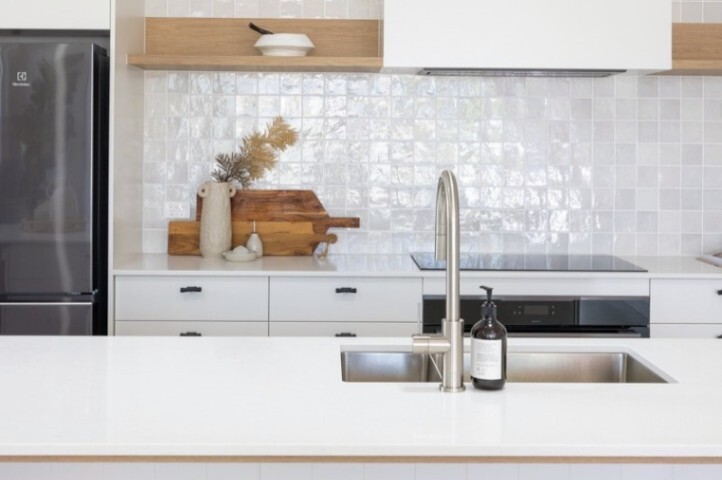
Selecting the Right Tapware and Accessories
While cabinetry and benchtops often occupy most of the budget discussion, fixtures and tapware have a daily impact on how your kitchen feels to use. They are also a subtle way to express your design personality. Look for products that combine form and function.
Nero Tapware offers a wide range of finishes designed for Australian homes, including matte black, brushed gold, brushed nickel and chrome. Each finish is carefully engineered to resist daily wear and complement contemporary interiors.
Also Read:
Sustainable and Water‑Efficient Fixtures
Look for:
Solid construction in DZR brass or 316 stainless steel
Reliable cartridge technology and warranties
WELS-rated performance suited to your water pressure
Finishes that complement your benchtops, cabinetry and appliances
Water efficiency matters. Choose taps and showers with a high WELS (Water Efficiency Labelling Scheme) rating to reduce water consumption and save on utility bills.
Nero’s products are thoughtfully designed to meet Australian standards (e.g. DZR brass or 316 stainless steel construction) and are backed by a competitive replacement warranty on finishes, giving you peace of mind about durability and longevity. Opt for mixer taps with ceramic disc cartridges for smooth operation and longevity.
Also Read: 25+ Ways to Save Water: Practical Tips for Your Kitchen, Bathroom, Laundy Room, and Garden!
Next Steps: Design Your Dream Kitchen With Nero
At Nero Tapware, we believe your kitchen should be a reflection of you. Our collections blend modern simplicity with considered design, giving you the freedom to express your personal style while keeping everyday use front of mind.
From the bold lines of Mecca to the calming curves of Serenity, the tactile interest of Opal and the timeless, architectural presence of Zen, you’ll find fixtures that are effortlessly functional and aesthetically beautiful.
Start by shortlisting the finishes and silhouettes that work with your cabinetry and benchtops, then refine your choices based on functionality and budget. Explore our full range of products or visit our Design Hub for more inspiration.
Your home, your style – Nero is the finishing touch.
Important Disclaimer: This article provides general information only and is not financial, legal or building advice. Kitchen renovation costs and requirements vary widely. Before beginning your project, obtain detailed written quotes from licensed trades, check approval and compliance obligations with your local council or building surveyor, and speak with an independent financial adviser to ensure the renovation aligns with your budget and circumstances.